
Synurus deltoides
Synurus deltoides
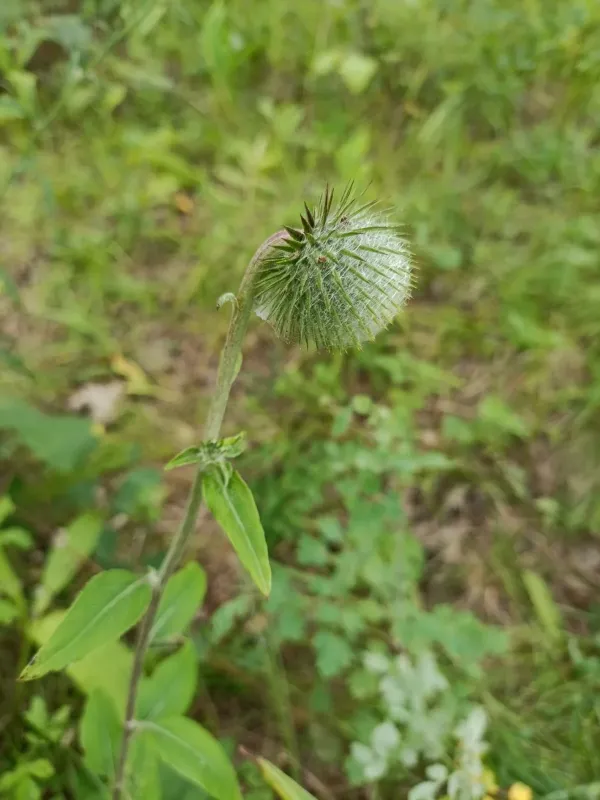
Description
Sowing dates
Synurus deltoides is a robust perennial herb belonging to the Asteraceae family. Originating from the temperate regions of East Asia, it has adapted to diverse climatic conditions, making it a viable candidate for specialized cultivation.
Propagation is typically achieved through seeds, which should be sown in prepared nursery beds during early spring or autumn. Seeds require minimal burial depth of 1–2 cm to ensure proper germination rates.
The plant thrives in well-structured, loamy soils that possess a good balance of moisture and nutrient content. When planning field operations, it is crucial to ensure clean seedbeds to minimize early weed competition.
Upon establishing, the plants develop a strong rosette of basal leaves. This stage is vital for the plant's future vigor, so providing adequate space between individual specimens is recommended to prevent overcrowding.
Cold stratification of seeds may be necessary if sowing occurs in spring to break dormancy. Once the soil warms up, rapid growth follows, leading to the development of robust vegetative structures.
Growing requirements
Synurus deltoides prefers areas with consistent sunlight but demonstrates sufficient tolerance for partial shade conditions. Avoiding excessive shade is critical to maintain structural integrity and leaf quality.
Regarding soil fertility, the plant benefits from regular applications of organic compost or balanced NPK fertilizers during the early vegetative phase. Soil acidity should be managed within the neutral to slightly acidic range.
Hydration management is key for commercial success. While the plant can handle moderate dry spells, regular irrigation during peak summer temperatures significantly enhances overall biomass production.
Drainage is essential; waterlogged soils lead to root hypoxia and fungal infections. Implementing raised beds or ensuring excellent natural topography can help mitigate these risks during rainy seasons.
Regular cultivation of the soil between rows prevents crusting and improves soil aeration. This maintenance practice allows the root system to expand efficiently, supporting larger plant development.
Main diseases and pests
Common issues encountered during cultivation include fungal pathogens like mildew, especially in high-humidity climates. Proper spacing is the primary defensive measure against such outbreaks.
Aphids and other sap-sucking insects may occasionally infest the tender new growth during spring. Monitoring fields regularly is recommended to apply corrective actions early in the infestation cycle.
Root rot remains the most significant threat to plant longevity. This is almost exclusively associated with poor drainage and excessive soil moisture, which necessitates careful site selection.
Leaf-eating caterpillars may appear during the summer months. Integrated pest management strategies, such as attracting beneficial insects or using bio-rational controls, are preferred over broad-spectrum pesticides.
Maintaining a balanced crop rotation schedule helps reduce the accumulation of soil-borne pathogens. Following these practices minimizes the need for chemical intervention and ensures a healthy, high-quality harvest.
Harvesting
The harvest focuses on the aerial parts of the plant, which are rich in phytochemicals. These components have traditional and emerging applications in the production of herbal products.
Timing the harvest is critical; the optimal period is during the transition from the vegetative state to the budding phase. Harvesting at this exact moment ensures the highest possible concentration of active compounds.
Manual or mechanized cutting is performed based on the scale of production. Clean equipment must be used to prevent contamination, which is vital for quality control in the herbal industry.
Post-harvest processing involves immediate drying in controlled environments. Utilizing shade-drying techniques preserves the chlorophyll and aromatic profile, which are indicators of high-grade raw material.
Final storage requirements include moisture-proof containers kept in cool, dark environments. By adhering to these protocols, the potency and shelf-life of the harvested biomass are successfully maintained.