
Synurus pungens
Synurus pungens
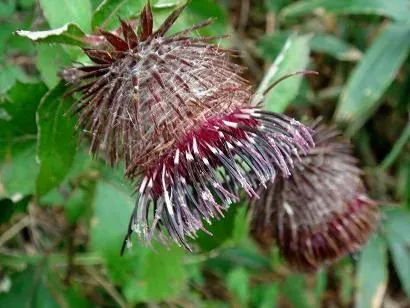
Description
Sowing dates
Synurus pungens is a perennial herbaceous plant that is typically propagated by seeds or through the division of mature root systems during the early spring.
For direct seeding, it is recommended to sow the seeds in late autumn, allowing the natural winter stratification process to improve germination rates in the spring.
When starting indoors, seeds should undergo a cold stratification period of 40 to 60 days at low temperatures to break seed dormancy and ensure uniform emergence.
Seeds are planted at a shallow depth of 1-1.5 centimeters in well-draining soil, maintaining consistent moisture until the seedlings reach a stable developmental stage.
Proper spacing is essential; plants should be set 60-70 centimeters apart to allow for sufficient airflow and to accommodate the wide leaf rosettes typical of this species.
Growing requirements
As a member of the Asteraceae family, Synurus pungens is native to the temperate regions of East Asia, thriving in areas with moderate rainfall and humidity.
The crop performs best in fertile, loamy soils enriched with organic matter, requiring a pH level ranging from neutral to slightly acidic for optimal nutrient uptake.
Sunlight is a critical factor for the growth of this plant; therefore, cultivation sites should be open and sunny, providing enough light for vigorous vegetative development.
While the plant is hardy and adapted to cold winters, it requires supplemental irrigation during summer droughts, especially in its initial years of establishment.
Good soil structure and drainage are vital to prevent waterlogging, as the root system of Synurus pungens is sensitive to stagnant water conditions in the soil.
Yield
The primary value of Synurus pungens lies in its medicinal properties, as the plant is known for its bioactive compounds, including various flavonoids and terpenes.
Harvesting the aerial biomass is focused on the flowering period, when the concentration of essential active ingredients in the stems and leaves is at its annual peak.
The dried raw material is highly sought after by the nutraceutical and pharmaceutical industries for its anti-inflammatory and antiseptic pharmacological potential.
Economic yield is maximized by implementing good agricultural practices, including systematic fertilization and weed management, which support long-term productivity.
With proper care, a plantation can remain productive for several years, allowing for multiple harvests from the same established root systems in a controlled environment.
Main diseases and pests
Synurus pungens is generally robust, but it can be susceptible to fungal issues such as root rot if the planting site is poorly drained or overly humid for extended periods.
Slugs and snails present the greatest risk to young seedlings, often causing significant damage to the leaf tissue during the wet spring growing season.
Occasional infestations of aphids may occur on the developing flower buds, necessitating monitoring and timely intervention with biological pest control measures.
Maintaining proper plant density helps improve air circulation, significantly reducing the likelihood of fungal diseases like powdery mildew during hot and humid spells.
Strategic crop rotation and the removal of plant debris after the growing season are essential cultural practices to prevent the buildup of pathogens in the soil.
Harvesting
The harvest should be conducted during the phase of full bloom, ensuring that the plant has reached its peak medicinal quality before the seeds start to set.
Plants are cut manually or using specialized machinery, ensuring a clean cut above the crown to allow for potential regrowth or long-term root health.
Post-harvest processing involves sorting the biomass to remove impurities and damaged leaves, followed by careful drying in well-ventilated, shaded facilities.
Drying temperatures must be strictly controlled, typically staying below 45 degrees Celsius, to protect the chemical integrity of the plant's valuable volatile compounds.
At the end of the harvest season, all remaining dry stubble should be removed from the field to maintain sanitary conditions for the plants during their dormant winter state.