
Syneilesis aconitifolia
Syneilesis aconitifolia
Description
Growing requirements
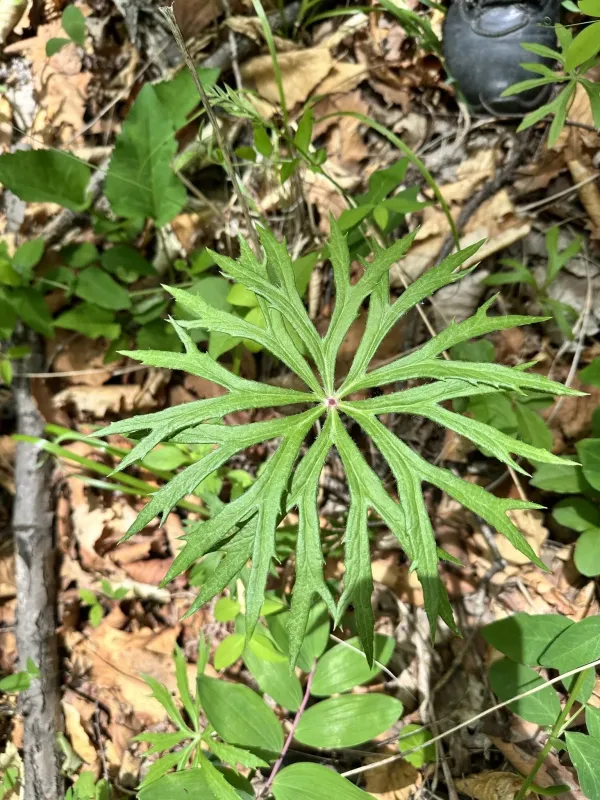
Syneilesis aconitifolia is a perennial herbaceous plant belonging to the Asteraceae family. Native to East Asia, including China, Korea, and Japan, it is highly valued for its striking, deeply dissected foliage that resembles aconite leaves, providing excellent texture in the garden.
Successful cultivation requires a location with partial to full shade. Direct sunlight can easily scorch the delicate foliage, so placing the plant under tree canopies or on the northern side of a building is ideal. Protection from harsh winds is also essential for maintaining the integrity of the leaves.
The plant thrives in soil that is rich in organic matter, loose, and well-drained. It requires consistent moisture but dislikes waterlogged conditions, which can lead to root rot. Amending the planting site with compost or leaf mold improves soil texture and nutrient content.
A maintenance-friendly crop, Syneilesis needs regular watering, especially during the dry summer months. Mulching around the base of the plant helps retain moisture in the soil, suppresses weeds, and maintains the cooler soil temperatures that this species prefers for growth.
In terms of usage, this plant is primarily utilized in decorative landscaping. Its unique architectural form makes it a perfect choice for woodland gardens, shade borders, or as a focal point in areas where fine-textured foliage is needed to provide contrast.
Main diseases and pests
The most common pests affecting this plant are slugs and snails, which are particularly attracted to the tender emerging shoots in early spring. Regular monitoring and physical barriers are often necessary to keep these populations under control.
Fungal issues related to crown and root rot can occur if the plant is kept in waterlogged soil. Ensuring adequate soil drainage and avoiding excessive overhead watering are the best preventative measures against these pathogens.