
Staehelina uniflosculosa
Staehelina uniflosculosa
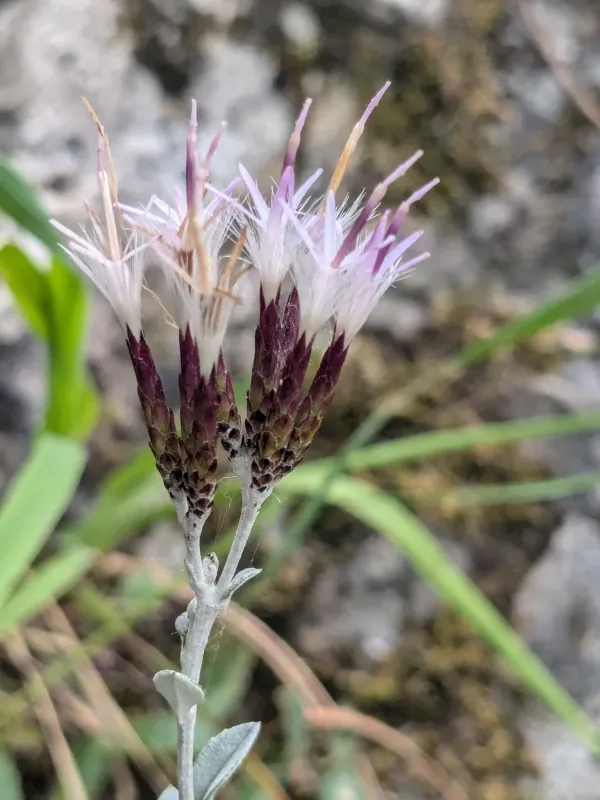
Description
Growing requirements
Staehelina uniflosculosa is a perennial herbaceous subshrub belonging to the Asteraceae family. This species is native to the Balkan Peninsula, where it typically inhabits rocky slopes and mountainous terrains.
The plant is known for its remarkable drought tolerance and thrives in poor, limestone-based, or rocky soils. It demands excellent drainage, as the root system is highly sensitive to waterlogging and anaerobic conditions.
Full sun exposure is essential for the healthy development of this species. It should be grown in open, well-ventilated areas where the foliage can dry quickly after precipitation to prevent fungal infections.
Climatic requirements involve high adaptability to temperature extremes, typical of Mediterranean and alpine environments. Its morphology, characterized by a deep and resilient root system, allows it to survive in harsh, nutrient-deprived soils.
From an agricultural and landscape perspective, this species offers potential for restoring degraded mountain pastures and providing a drought-resistant ground cover. It requires minimal intervention once established, making it a sustainable choice for xeriscaping.
Main diseases and pests
The primary threat to the health of Staehelina uniflosculosa is the prevalence of root rot pathogens, such as Phytophthora and Pythium species, especially in poorly drained soil environments.
Aphids and certain leaf-feeding beetles are the most frequent pests. These organisms generally target the tender growth of new shoots during the spring season, potentially weakening the plant if infestations are severe.
Powdery mildew represents a significant fungal challenge, particularly in areas with stagnant air or high humidity levels. Management involves promoting airflow through spacing and avoiding overhead watering techniques.
Effective pest control relies on an integrated approach, minimizing the use of synthetic chemicals that could damage local biodiversity. Biological controls or neem-based treatments are often more appropriate for this specific type of vegetation.
Cultural practices such as removing dead plant tissues and maintaining a clean planting site are critical for disease prevention. Ensuring that the crown of the plant stays dry is a key factor in long-term successful cultivation.