
Staehelina petiolata
Staehelina petiolata
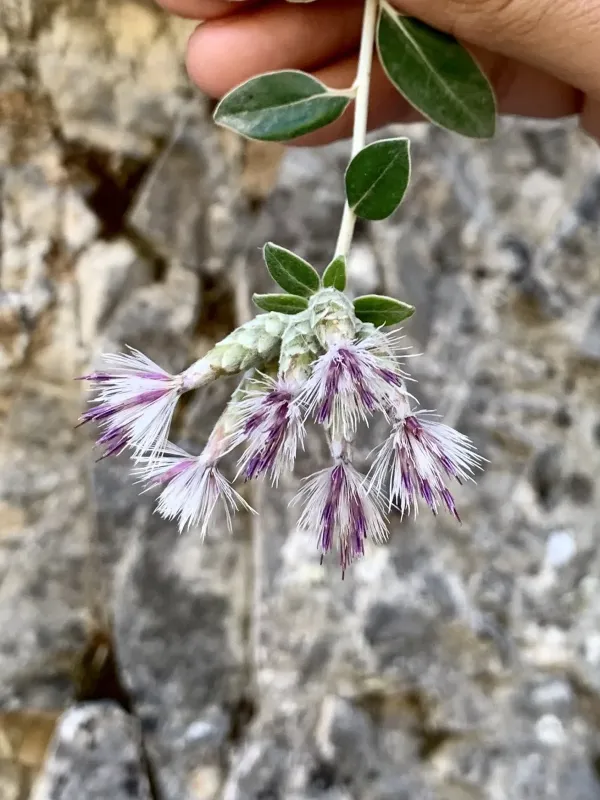
Description
Growing requirements
Staehelina petiolata is a perennial subshrub belonging to the Asteraceae family. This species is native to the rocky landscapes of the eastern Mediterranean, particularly well-known as a specialized plant inhabiting the cliffs of Crete.
The botanical structure of the plant is adapted for survival in harsh conditions, featuring silver-toned foliage and distinctive petioles. It grows into a compact form, which is highly appreciated in specialized gardening and botanical collections.
Cultural requirements involve high solar exposure and extremely well-draining soil. It thrives best in stony, alkaline substrates where root rot can be minimized by the rapid runoff of excess water.
In terms of climate, Staehelina petiolata prefers mild winters and dry, warm summers. It does not tolerate high atmospheric humidity, which makes it a challenging but rewarding plant for cultivation in containers or alpine houses.
Economically and horticulturally, this plant is used primarily for ornamental purposes in xeriscaping and rock garden designs, where its drought resistance and unique appearance provide significant aesthetic value.
Main diseases and pests
The most significant threat to Staehelina petiolata is the susceptibility to fungal pathogens, particularly root rot, which occurs when the plant is grown in dense, water-retaining soils.
Insect pests such as spider mites can pose a risk, especially in protected cultivation where air circulation is restricted and humidity levels fluctuate significantly.
Preventive measures include ensuring excellent drainage and maintaining a dry environment around the crown of the plant to prevent basal rot during dormant periods.
Avoid heavy nitrogen-based fertilizers, as they lead to weak, succulent growth that is more prone to pest infestations and physiological breakdown in arid conditions.
Proper aeration is essential; therefore, when growing in pots, using a grit-heavy compost mix is mandatory to protect the root health of this rare species.