
Staehelina dubia
Staehelina dubia
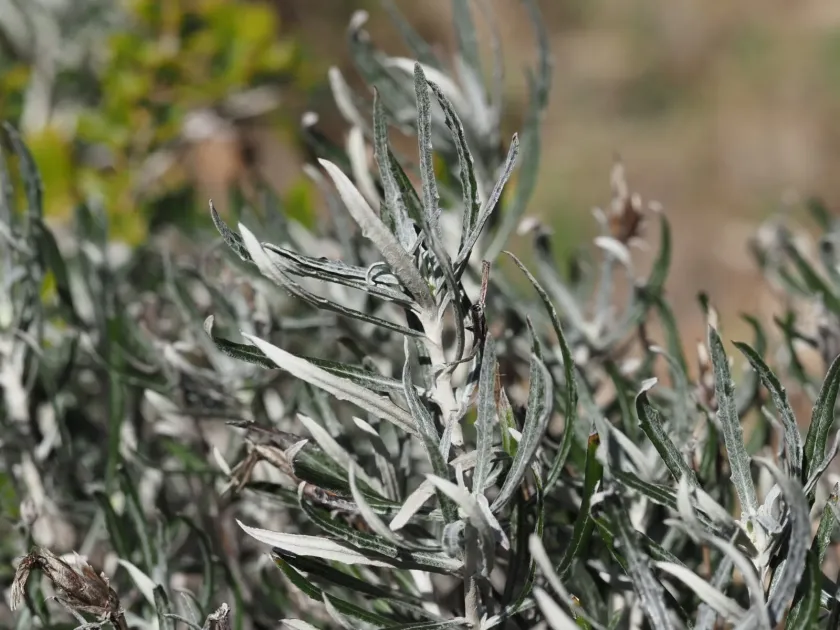
Description
Growing requirements
Staehelina dubia is a perennial subshrub belonging to the Asteraceae family. This species is characterized by its woody base and silvery-grey foliage, which is an adaptation to the arid Mediterranean environment.
Native to the Western Mediterranean region, it typically thrives in dry, rocky, and calcareous habitats. Its distribution is closely linked to its ability to survive in nutrient-poor soils where competitive pressure from other flora is minimal.
The plant requires full sun exposure to maintain its compact growth habit and promote healthy flowering. In agricultural or horticultural settings, it is essential to mimic these conditions by providing a well-drained, porous substrate.
Soil management for Staehelina is straightforward: it demands an alkaline or neutral pH. The most critical factor for survival is avoiding waterlogging, as the root system is highly susceptible to decay in stagnant moisture.
Regarding climate, Staehelina is well-adapted to hot, dry summers and cool, mild winters. While it is quite resilient, it lacks extreme frost tolerance, making it suitable mainly for temperate zones with Mediterranean influence.
Main diseases and pests
Root rot, primarily caused by excessive soil moisture and poor drainage, is the primary threat to the longevity of Staehelina dubia. Preventing water accumulation around the collar of the plant is vital.
Fungal infections, such as powdery mildew, may occur if the plants are situated in areas with low air circulation or high humidity. Pruning and spacing are effective preventative cultural measures.
Pests such as aphids can occasionally infest new growth, especially during the spring flowering phase. These pests can be managed through biological control methods or selective insecticidal sprays if infestations become severe.
Spider mites are a potential risk, particularly in dry, sheltered conditions or indoor cultivation. Maintaining proper ambient humidity and avoiding extreme heat stress helps in discouraging mite colonization.
Botrytis cinerea can become an issue during prolonged rainy seasons. To mitigate this risk, it is recommended to ensure that the base of the plant remains dry and that there is adequate airflow within the canopy.