
Staehelina baetica
Staehelina baetica
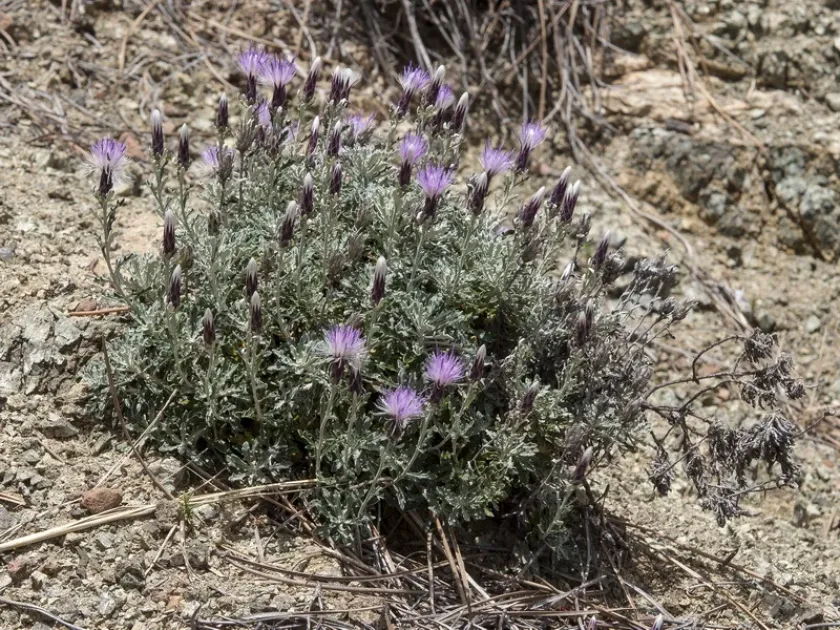
Description
Sowing dates
Staehelina baetica is a perennial subshrub belonging to the Asteraceae family. It is a rare species native to the Iberian Peninsula, characterized by its adaptation to rocky, arid Mediterranean environments.
Propagation is typically achieved through seeds sown in spring. Using a well-draining, sandy-based seed compost is critical to mimic the plant's natural habitat conditions and prevent fungal issues during the germination phase.
Seeds should be covered lightly with a thin layer of sand. A consistent temperature of around 18-20 degrees Celsius is optimal for success, as the seeds require warmth to break dormancy and emerge efficiently.
Watering should be very light and infrequent during the sowing stage. The substrate must never remain waterlogged, as the seeds of this species are highly susceptible to rot if excess moisture is present.
Once seedlings reach a manageable size, they should be moved to individual pots. This practice promotes better root development and prepares the plant for the challenging conditions of transplantation into the open ground.
Growing requirements
This species demands full sun exposure to maintain its compact habit and health. Planting in partial shade or low-light conditions results in weak growth and significantly increases the susceptibility to disease.
Soil requirements are strict: the plant needs extremely well-draining, poor, and stony or calcareous soil. Any accumulation of moisture in the root zone is likely to be lethal to mature specimens.
Staehelina baetica is highly drought-tolerant once established. Supplemental irrigation is only necessary during the first season of growth; thereafter, the plant relies on its deep root system to access available soil water.
The plant thrives in neutral to slightly alkaline soil conditions. Adding organic fertilizers is generally discouraged, as nutrient-rich environments can lead to excessive, fragile growth that reduces winter hardiness.
Winter protection is vital in non-Mediterranean climates. The plant must be kept away from excessive winter rain and harsh frost, often necessitating the use of cold frames or containers brought indoors during the coldest months.
Main diseases and pests
The primary threats to Staehelina baetica are fungal diseases caused by high humidity and poor air circulation. Botrytis and root rot are common issues if the plant is grown in overly damp conditions.
Pests like aphids and spider mites can attack the succulent foliage during dry spells. Regular monitoring of the plant's undersides, especially in sheltered areas, is recommended to catch infestations early.
Slugs and snails may consume new growth in wet weather. Surrounding the plants with a barrier of grit or crushed stone is an effective cultural method to deter these mollusks without chemical use.
Proper sanitation is essential for disease control. Removing fallen leaves and spent blossoms helps prevent the spread of pathogens that thrive in the decaying organic matter at the base of the plant.
When chemical intervention is required, systemic fungicides or insecticides should be used sparingly and only after all environmental adjustments, such as improving drainage or ventilation, have been fully implemented.