
Sericocarpus rigidus
Sericocarpus rigidus
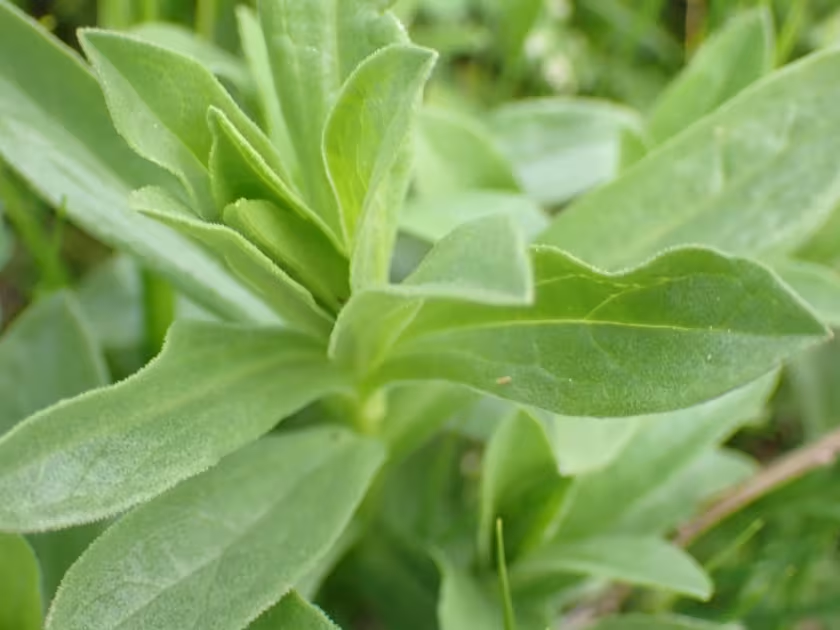
Description
Sowing dates
Sericocarpus rigidus, commonly known as the white-topped aster or rigid-leaf aster, is a perennial herbaceous plant belonging to the Asteraceae family. Its propagation in agricultural settings typically involves seed sowing, which requires a pre-chilling treatment to break dormancy.
Seeds are best sown in late autumn or early spring, mimicking natural environmental cycles. Surface sowing is recommended, as the seeds require light to germinate effectively, and covering them with a thick layer of soil is often detrimental.
In nursery environments, sowing in well-draining trays allows for better control of the growing medium moisture. Germination usually occurs within a few weeks when provided with consistent temperatures and adequate humidity.
Once seedlings develop true leaves, they should be transplanted into individual containers. This phase is crucial for developing a strong root system before the plants are eventually moved to their permanent location in the field.
Spacing should be managed to ensure adequate ventilation, typically leaving 30 to 50 centimeters between plants to promote robust growth and minimize the spread of diseases within the crop.
Growing requirements
The cultural success of Sericocarpus rigidus depends on its requirements for well-drained, porous soils. It thrives in gravelly or sandy substrates, mimicking the conditions of its native North American prairie habitats.
Sunlight is a primary requirement for this species. It demands full sun exposure to maintain its compact growth habit and produce abundant flower heads. Shady conditions often result in weak, elongated stems that require staking.
Water requirements are relatively low once the plant is established. However, during the initial phases of cultivation, regular watering is necessary to prevent seedling desiccation and ensure root penetration into the subsoil.
Fertilization should be handled with caution, as high levels of nitrogen may lead to excessive foliage growth and a decrease in flower production. A balanced, low-concentration slow-release fertilizer is usually sufficient.
Soil pH should remain in the neutral to slightly acidic range. In areas with highly acidic soil, the application of lime can help create the optimal environment for nutrient uptake by the root system.
Main diseases and pests
The primary threats to Sericocarpus rigidus are pathogenic fungi, particularly those that thrive in stagnant or humid microclimates. Powdery mildew can affect the foliage during humid seasons if the plants are placed too closely.
Root rot is a significant concern in agricultural plots with poor drainage. Once established, this condition is often fatal for the plant, making preventative site selection and soil preparation the most effective defense.
Insects, including various aphids or caterpillars, might graze on the plant during its active growing phase. While usually not devastating to established plants, large infestations should be managed using integrated pest management techniques.
Good cultural practices, such as clearing debris from around the base of the plant in late autumn, help reduce the overwintering sites for both pests and disease spores, ensuring a healthier crop the following season.
Monitoring the plants for discolored leaves or wilting is essential for early detection of issues. Quick intervention with appropriate horticultural methods can prevent systemic infections and ensure continued crop health.