
White-top aster
Sericocarpus tortifolius
Description
Growing requirements
Sericocarpus tortifolius, commonly known as the white-top aster, is a perennial herbaceous plant belonging to the Asteraceae family. It is native to the southeastern United States, often found in dry pinelands, sandy woodlands, and open areas.
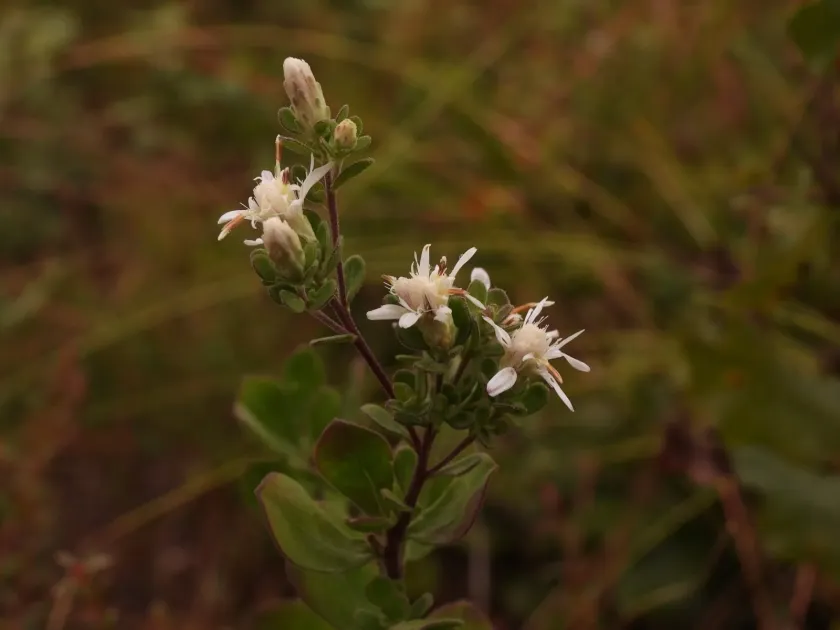
The plant is characterized by its twisted foliage and distinctive white, daisy-like flower heads arranged in flat-topped clusters. It is highly adapted to nutrient-poor, sandy environments, which has shaped its physiological resilience to drought and heat.
Cultivation requires well-drained, acidic, and sandy soil. The plant thrives in full sun, where its growth habit becomes most robust. It is not suitable for heavy clay soils where moisture retention can cause root issues during the dormant season.
Agronomically, this species is valued for its hardiness. It does not require intensive fertilization, as it is evolved to thrive in soils that most traditional crops would find inhospitable. Watering is essential during the establishment phase, but once mature, it is remarkably drought-tolerant.
In terms of usage, it serves primarily as an ornamental plant for native prairie restoration and xeriscaping projects. Its ability to colonize dry, sandy sites makes it a valuable species for ecological land management and meadow plantings.
Main diseases and pests
The primary threat to the health of the plant is poor soil drainage. Waterlogged conditions in the root zone quickly lead to fungal pathogens and root rot, which are often fatal to this species.
Insects such as aphids may occasionally congregate on the flower buds during dry spells. Maintaining adequate plant spacing and ensuring good airflow across the planting bed is the most effective way to prevent pest outbreaks and fungal disease development.