
Sericocarpus linifolius
Sericocarpus linifolius
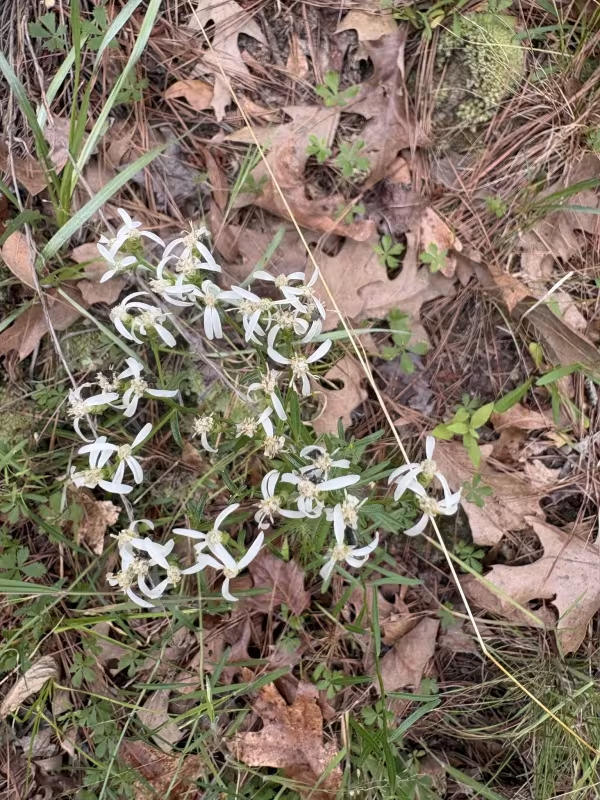
Description
Sowing dates
Sericocarpus linifolius is propagated primarily by seeds or by rhizome division. The seeds require a cold-moist stratification period of several weeks to break dormancy and ensure uniform germination.
For outdoor sowing, the best time is late autumn, allowing the seeds to experience natural winter conditions. If sowing in spring, ensure the seeds have been pre-chilled in a refrigerator before being placed in the soil.
Use a light, well-draining seed-starting mix. Surface sow the seeds, as they require light to germinate. Press them gently into the growing medium to ensure good contact but do not cover them with heavy soil.
Maintain consistent moisture during the germination phase but avoid waterlogging, which can lead to damping-off. Once the seedlings reach the two-leaf stage, they can be transplanted into individual pots to develop a robust root system.
Hardening off the seedlings is essential before moving them to their permanent outdoor location. Gradually acclimatize the plants to direct sunlight and outdoor temperatures over a period of seven to ten days.
Growing requirements
Sericocarpus linifolius, commonly known as the white-topped aster, is a perennial herbaceous plant belonging to the Asteraceae family, native to the eastern United States.
This species thrives in full sun to partial shade. In its natural habitat, it is found in dry, open woodlands and rocky fields, which dictates its preference for well-draining, acidic to neutral soil conditions.
The plant is highly drought-tolerant once established. Watering should be focused on the first growing season to ensure deep root penetration. Thereafter, minimal supplemental watering is required unless during extreme heatwaves.
Fertilization requirements are low. An annual application of organic compost or a balanced, slow-release fertilizer in early spring is sufficient to maintain vigorous growth and abundant flowering.
Pruning is not strictly necessary for the plant's health, but removing spent flower heads can prevent self-seeding and improve the appearance of the garden display during the late autumn months.
Main diseases and pests
Fungal issues such as powdery mildew are the most common threats to the plant, particularly when grown in environments with poor air circulation and high humidity levels.
Pests like aphids and spider mites can occasionally affect the foliage, especially in drier climates. Early detection and the use of insecticidal soap can effectively manage these infestations.
Root rot is a significant risk if the soil is too dense or poorly drained. Always ensure that the planting site offers excellent drainage to prevent oxygen deprivation in the root zone.
Rust diseases may appear on the foliage under stress. Keeping the area free of debris and ensuring the plants are not overcrowded helps to mitigate the risk of spreading infections.
- Maintain proper spacing between plants to encourage airflow.
- Avoid overhead watering to keep foliage dry.
- Monitor for early signs of pests in mid-summer.
- Use organic mulch to suppress weeds and maintain soil stability.