
Oregon white-top aster
Sericocarpus oregonensis
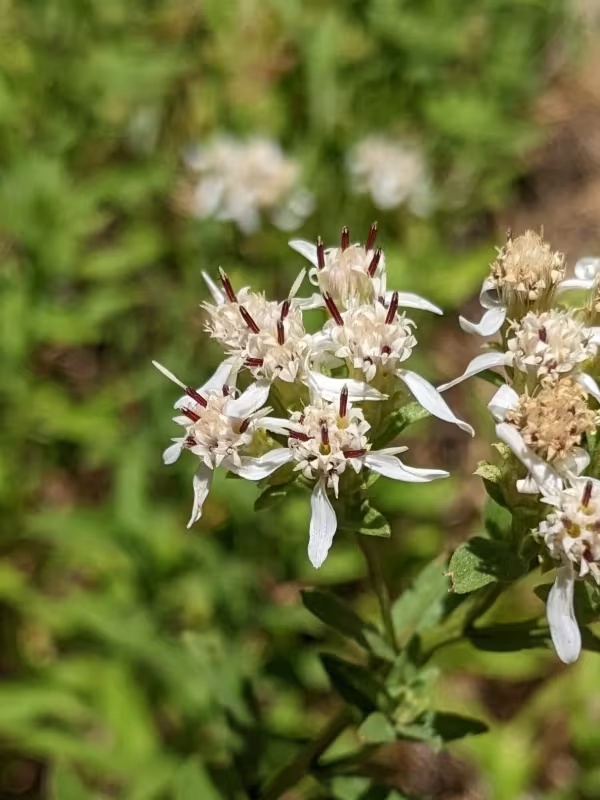
Description
Sowing dates
Sowing seeds of the Oregon white-top aster is best achieved through fall planting, allowing for natural winter cold stratification to break dormancy.
If starting indoors, use a well-draining, lightweight potting mix and surface sow the seeds, covering them very lightly with fine grit or sand.
Germination requires consistent moisture and bright indirect light, with temperatures ideally maintained between 18 and 20 degrees Celsius.
Once seedlings have developed at least two sets of true leaves, they can be hardened off and transplanted into a permanent garden location.
Ensure that young plants are spaced appropriately to allow for sufficient air circulation, which prevents overcrowding as they mature.
Growing requirements
The plant thrives in full sun, showing excellent tolerance to the harsh, dry conditions typical of its native Western North American range.
Well-draining, rocky, or sandy soil is essential for this species, as it is highly susceptible to root rot in heavy, waterlogged clay soils.
It is classified as a drought-tolerant perennial, making it an excellent candidate for xeriscaping or sustainable landscape design.
The species belongs to the Asteraceae family and prefers soil with a slightly acidic to neutral pH balance for optimal nutrient uptake.
Low maintenance is a primary advantage; the plant requires minimal fertilization, as it is adapted to nutrient-poor soils in the wild.
Main diseases and pests
The most significant threat to the health of this species is root and crown rot, primarily caused by excessive humidity or poor soil drainage.
Powdery mildew may occur during periods of high humidity and stagnant air, making proper spacing between individual plants a vital preventative measure.
Insect pests, such as aphids, can occasionally cluster on the developing flower buds, leading to stunted growth or malformed blossoms.
Soil-dwelling larvae can sometimes damage the root system of established plants, particularly if the surrounding mulch is kept too deep or wet.
Effective pest management relies on keeping the base of the plant clear of debris and ensuring the surrounding environment remains dry and airy.