
Sericocarpus asteroides
Sericocarpus asteroides
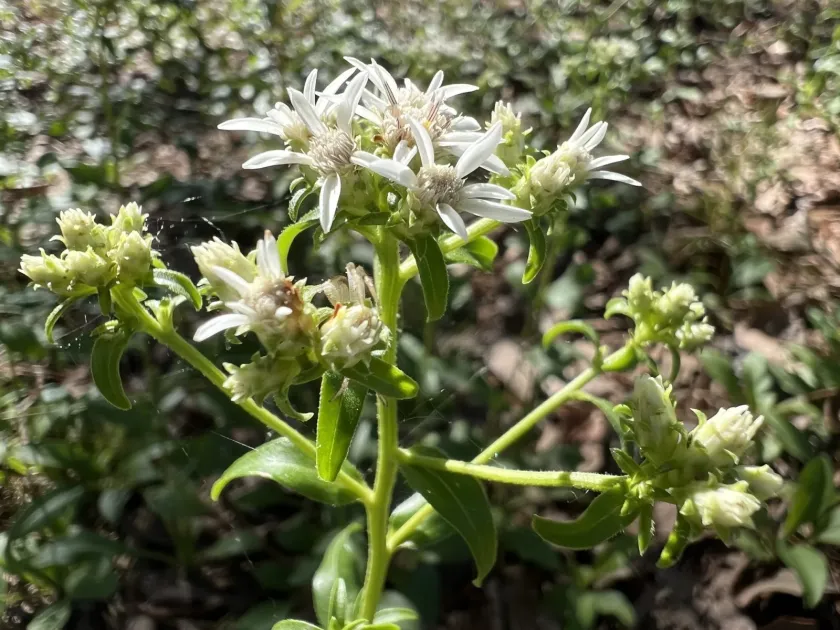
Description
Growing requirements
Sericocarpus asteroides, commonly known as the white-topped aster, is a perennial herbaceous plant belonging to the Asteraceae family. It is native to eastern North America, where it typically inhabits open woodlands, clearings, and dry, rocky soils.
Successful cultivation of this species requires a location with full sun to partial shade. The plant is highly adaptable to various soil types but insists on excellent drainage, as excessive moisture often leads to root health issues.
The species excels in nutrient-poor, sandy, or rocky soils, reflecting its natural habitat conditions. Ideally, the soil pH should be maintained within the neutral to slightly acidic range to ensure optimal nutrient uptake and development of the foliage.
During the establishment phase, consistent moisture is beneficial; however, once the root system is fully developed, the plant demonstrates remarkable drought tolerance. This trait makes it an excellent choice for low-maintenance landscaping and rock gardens.
Regular maintenance involves light spring fertilization with balanced nutrients to encourage robust blooming. Propagation can be achieved through division or seed, with seeds requiring a cold stratification period to break dormancy and ensure successful germination.
Main diseases and pests
The plant generally exhibits strong resistance to common garden diseases. However, in environments with stagnant air and high humidity, powdery mildew may appear on the leaves. Providing adequate spacing between plants is the primary preventive measure against fungal spread.
Pest pressure is usually low, though aphids may occasionally colonize the tender shoots during dry periods. Monitoring during early summer is recommended, and the use of insecticidal soaps is usually sufficient to handle any minor infestations.
Root rot remains the most significant risk, often caused by poorly drained soils or excessive winter moisture. Ensuring the planting site has adequate slope or a gravelly substrate significantly mitigates this risk and prevents plant loss.
Slugs and snails can pose a minor threat to young spring shoots, particularly in mulched areas. Keeping the area around the base of the plant clear and using organic barriers can effectively discourage these mollusks from damaging the foliage.
Sanitation practices, such as removing spent flowers and debris at the end of the season, are essential for disease prevention. This helps maintain a healthy growing environment and reduces the incidence of overwintering pathogens and insect eggs.