
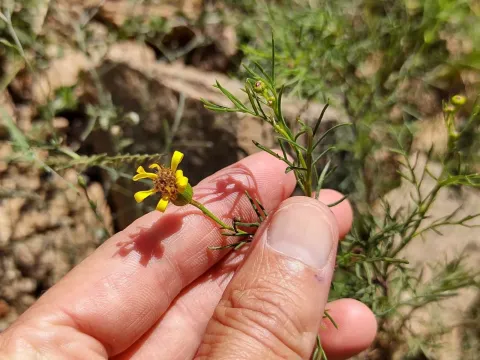
Senecio pinnatus
Senecio pinnatus
Senecio pinnatus is a perennial herbaceous plant belonging to the large and diverse family Asteraceae. Native to the regions of South Africa, it has evolved to thrive in environments that require resilience against drought and high solar exposure.
What the section contains
Senecio pinnatus
The botanical structure of this species is defined by its pinnately lobed leaves, which provide a distinct aesthetic appeal. It is characterized by upright, branched stems that support vibrant inflorescences, making it a noteworthy specimen for horticultural purposes.
Optimal climatic conditions for this plant include stable temperatures and high levels of ambient light. It requires consistent exposure to sunlight to maintain its structural integrity and prevent the stems from becoming etiolated or weak.
In terms of soil, Senecio pinnatus prefers light, well-draining substrates. A mixture containing pumice, coarse sand, or perlite is recommended to ensure that moisture does not accumulate around the root zone, as the plant is susceptible to rot.
Cultivation practices involve regular but measured watering, allowing the substrate to dry out significantly between irrigation intervals. Fertilization should be limited to the growing season, using a balanced nutrient solution designed for arid-adapted species.
The primary threats to the vitality of Senecio pinnatus are fungal pathogens associated with waterlogged conditions. Excessive humidity in the root zone can trigger rapid decay, leading to irreversible damage if not addressed through immediate drainage improvement.
Pest populations, particularly aphids, frequently target the succulent parts of the plant during the early growth stages. These insects feed on the sap, causing leaf curling and potential stunted development of the flowering stalks.
Spider mites are another common concern, especially in indoor or greenhouse environments where airflow might be stagnant. Their presence is indicated by fine webbing and yellowing of the foliage, requiring immediate intervention with acaricides or biological controls.
To prevent disease transmission, sanitation of tools and the use of sterile planting media are vital components of any successful management strategy. Regularly pruning dead or yellowed leaves helps maintain good airflow within the canopy.
Developing an effective monitoring program is essential for large-scale production. By identifying and managing potential outbreaks at an early stage, growers can ensure the health and marketability of the crop without relying on excessive chemical treatments.