
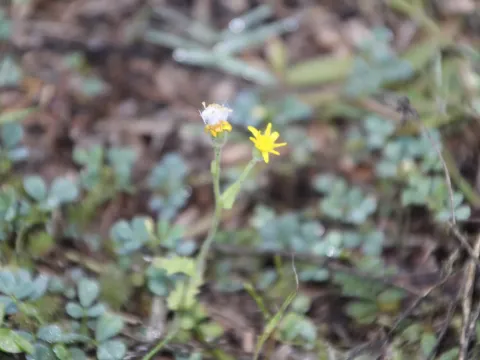
Sticky groundsel
Senecio glutinosus
Sticky groundsel (Senecio glutinosus) is an annual herbaceous plant belonging to the Asteraceae family. It is widely distributed across European landscapes, often colonizing disturbed habitats and open sites.
What the section contains
Sticky groundsel
The plant is characterized by its glandular hairs that cover the stems and leaves, producing a sticky secretion. This feature helps the plant to deter herbivores and retain moisture in dry conditions.
It prefers well-drained, sandy, or stony soils and is commonly found in human-altered environments like roadsides, railway embankments, and industrial wastelands. It acts as an opportunistic species in agricultural settings.
The species requires moderate temperatures and high sunlight to thrive throughout its growing cycle. It has a rapid life cycle, allowing it to complete flowering and seed production within a single season.
While not a traditionally cultivated crop, understanding its ecological niche is vital for integrated weed management. It competes for nutrients and water, potentially impacting the yield of adjacent field crops.
Various moth larvae, specifically certain species within the Erebidae family, are known to feed on sticky groundsel, tolerating its chemical defenses that include pyrrolizidine alkaloids.
Fungal infections such as powdery mildew represent a significant biotic threat, especially in dense populations, which can lead to leaf necrosis and reduced photosynthetic efficiency.
Rust fungi are frequently observed on this species, causing pustules to develop on the foliage, which can weaken the plant's structural integrity over the summer months.
Aphids are typical pests that colonize the flower heads, potentially causing stunted growth and reducing the plant's overall reproductive success during the peak flowering period.
Effective control measures include mechanical weeding before seeds reach maturity to avoid soil contamination and subsequent infestations in following agricultural cycles.