
Stevia
Stevia
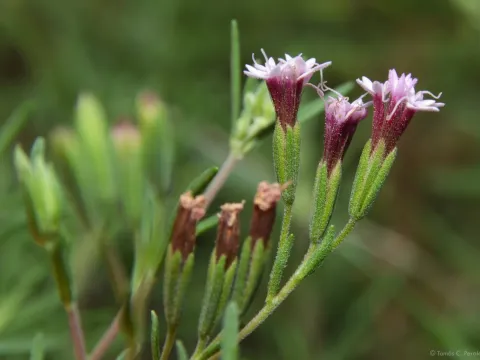
Stevia (Stevia rebaudiana) is a perennial plant of the Asteraceae family, globally recognized as a natural sugar substitute. Cultivation is generally performed using seedlings to ensure uniform crop development.
What the section contains

Stevia
Seeds are sown indoors in early spring. Because stevia seeds are tiny and have a relatively low germination rate, they require a consistent temperature of about 25 degrees Celsius and high humidity.
Seedlings are transplanted into the open field once the danger of frost has completely passed. The soil temperature should be warm enough to support root establishment immediately after planting.
A plant spacing of approximately 30 to 50 cm is recommended. This layout provides enough space for leaf development while ensuring adequate airflow, which is crucial for disease prevention.
Proper irrigation during the establishment phase is vital. Young plants should never be allowed to dry out completely, as this significantly stunts their growth and yield potential.
Stevia is a sun-loving plant that thrives in subtropical conditions. It requires at least 8–10 hours of bright sunlight daily to accumulate high concentrations of steviosides in its leaves.
The soil must be well-drained and slightly acidic to neutral. Sandy loam is considered the ideal growing medium as it prevents waterlogging, which the root system is highly sensitive to.
Water requirements are substantial during the active growth phase, yet the soil must not remain waterlogged. Drip irrigation is the most efficient method to manage moisture levels effectively.
Stevia is sensitive to cold temperatures. In regions with freezing winters, it is typically treated as an annual crop or must be overwintered in climate-controlled indoor environments.
Fertilization should focus on balanced NPK ratios with added trace elements. Excessive nitrogen should be avoided as it can dilute the sweetness content of the harvested leaves.
The yield of stevia is determined by plant density, soil fertility, and sunlight exposure. Under optimal commercial conditions, yields can reach 3 to 5 tons of dried leaves per hectare.
The harvest timing is critical for yield quality. The highest concentration of sweeteners is found in the leaves right before the flowering stage, making timing the key to commercial success.
Good agricultural practices, including regular weeding and maintenance of soil structure, significantly increase the total biomass produced per season in both temperate and tropical zones.
Depending on the climate, multiple harvests per year are possible. In warm climates, plants can be cut back several times, allowing for rapid regrowth and increased annual leaf yield.
Economic profitability is tied to the quality of the leaf biomass. High-quality dry leaves command a premium price in the food and beverage industry as a natural sweetener.
Root rot is the most common and devastating disease for stevia, usually triggered by poor drainage or overwatering. Constant moisture around the collar leads to rapid plant decay.
Pests like aphids and spider mites frequently infest stevia, especially in hot and dry weather. They suck sap from the leaves, causing them to yellow and potentially transmitting viral diseases.
Whiteflies are a major concern in greenhouse production. Because they reproduce quickly, integrated pest management including biological controls is necessary to manage their populations.
Prevention is centered on good field hygiene, including the removal of debris and maintaining soil aeration. Avoiding overcrowding is essential to reduce the humidity around the foliage.
- Regular monitoring for pest symptoms on the underside of leaves.
- Implementation of crop rotation cycles every 2–3 years.
- Using certified clean planting material to prevent soil-borne pathogens.
The harvesting process involves cutting the stems 10–15 cm above the ground. This preserves the lower nodes, allowing the plant to rejuvenate and produce subsequent flushes of leaves.
Drying must be done promptly to prevent fermentation. Shade drying with good air circulation is preferred to keep the leaves green and prevent the degradation of sweet glycosides.
Once dried to a moisture content of about 10%, the leaves are mechanically separated from the stems. Only the leaves are processed further into powder or liquid extracts.
Storage should be in cool, dark, and dry conditions. Exposure to direct sunlight or moisture during storage can significantly degrade the quality of the natural sweeteners.
Proper harvest management ensures that the crop maintains its organoleptic properties, which are essential for its final application as a high-value industrial sweetener.