
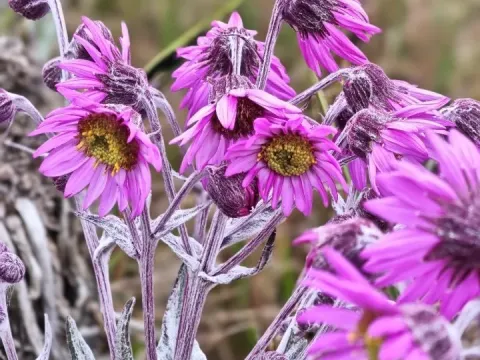
Senecio formosus
Senecio formosus
Senecio formosus is a distinctive perennial plant belonging to the Asteraceae family. Known for its aesthetic appeal and robust structure, it has gained popularity among gardening enthusiasts as a focal point in ornamental landscapes.
What the section contains
Senecio formosus
Originating from the high-altitude regions of South America, this plant is naturally adapted to cool and moist environmental conditions. It thrives best in regions that mimic its native montane habitats.
When it comes to soil requirements, the species prefers well-draining, nutrient-rich soil with a slightly acidic to neutral pH. Proper soil structure is essential to prevent moisture accumulation around the roots, which can be detrimental to the plant.
Regarding climate, Senecio formosus performs best in temperate conditions. While it appreciates bright, diffused light, it is sensitive to intense, direct afternoon sun, which can scorch its leaves and weaken the stems.
General maintenance includes consistent irrigation during dry spells and the application of balanced fertilizers during the growing season. Adequate spacing between plants is recommended to ensure proper air movement.
The primary threats to Senecio formosus involve fungal infections, particularly root rot, triggered by overwatering or poor drainage. This condition typically manifests as wilting and browning of the leaves.
Powdery mildew is a frequent issue, especially in environments with poor air circulation. It appears as a white, dusty fungal growth on the foliage and requires prompt treatment to preserve the plant's health.
Aphids are the most common insect pests, feeding on the tender young shoots. Regular monitoring is essential to catch infestations early before they cause significant damage to the plant's development.
Spider mites can become a nuisance during hot and dry periods, often appearing on the undersides of leaves. They cause stippling and discolouration, which can lead to premature leaf drop if left untreated.
Integrated pest management, including the use of neem oil or insecticidal soaps, is often effective for control. Maintaining a clean garden environment and removing debris helps minimize the recurrence of these threats.