
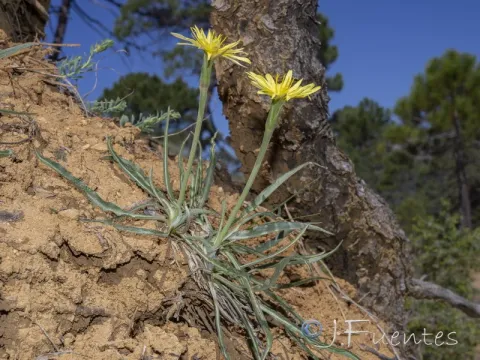
Scorzonera reverchonii
Scorzonera reverchonii
Scorzonera reverchonii is a perennial herbaceous plant belonging to the Asteraceae family. For optimal establishment, seeds should be sown in early spring as soon as the soil is workable and has reached a temperature of at least 5 to 8 degrees Celsius.
What the section contains
Scorzonera reverchonii
The seeds have a relatively long germination phase, so pre-soaking in water for 24 hours is recommended to soften the outer coat and improve the rate of seedling emergence. Direct sowing in prepared, loose soil is the preferred method for this crop.
Maintain row spacing of approximately 30–40 centimeters to provide enough area for the plants to develop strong root systems. Thinning the seedlings after they reach a height of 5–10 centimeters is essential to avoid overcrowding, which can lead to smaller and misshapen roots.
Weed management during the initial stages is crucial, as the slow-growing seedlings can easily be outcompeted by aggressive weeds. Utilizing organic mulch or frequent shallow cultivation can help reduce weed pressure significantly.
In regions with mild winters, autumn sowing can also be successful. This allows for early spring growth and faster development before the intense summer heat, often leading to a more robust final crop.
The plant requires deep, well-drained, and loose soil to ensure the proper development of its long, fleshy roots. Sandy loam soils that are rich in organic matter are ideal for achieving a high-quality marketable harvest.
Scorzonera reverchonii thrives in full sun but can tolerate partial shade. However, optimal photosynthesis and root development are best achieved in open, sunlit areas where the foliage is not restricted by competition.
Regular irrigation is vital during dry periods to prevent the roots from becoming woody and bitter. Proper water management ensures consistent growth, while avoiding waterlogged conditions that could trigger root rot.
A neutral to slightly alkaline soil pH is optimal for this species. If the soil is too acidic, applying lime or dolomite powder a few months before planting will improve nutrient availability and plant health.
Avoid excessive nitrogen application from fresh manure, as this often causes the roots to fork or branch, which significantly lowers their commercial value. Compost or well-rotted organic matter is a much safer alternative.
Soil-borne pests such as wireworms and white grubs are the primary threat to the crop, as they bore into the root system, causing direct damage and opening entry points for various pathogens.
Fungal diseases like powdery mildew and various leaf rusts may appear during periods of high humidity or poor air circulation. Removing affected leaves and improving spacing can help mitigate the spread of these conditions.
Root rot is a common issue when drainage is inadequate or when plants are grown in heavy clay soils. Ensuring proper drainage during field preparation is the most effective preventative measure against these systemic issues.
Aphids can occasionally infest the foliage, particularly in the mid-summer stage. Early detection and the use of insecticidal soaps or biological control agents can effectively manage these populations without chemicals.
Maintaining a strict crop rotation cycle of at least 4 years is highly recommended to break the life cycles of soil-borne pathogens and pests that specifically target the Asteraceae family.
Harvesting usually occurs in late autumn, once the roots have reached full size. Even though the plant is hardy, it is best to complete the harvest before the soil freezes solid to ensure easier digging.
Use a garden fork to loosen the soil at a distance from the roots before pulling them out. This helps to avoid breaking the long, brittle roots, which significantly impacts their shelf life after harvest.
After removal, soil should be gently brushed off. Trim the greens to about 1–2 centimeters from the crown to prevent moisture loss from the roots while in storage, but be careful not to damage the crown itself.
Professional harvesting often involves the use of specialized subsoilers or root diggers that lift the entire soil profile to prevent mechanical damage to the vegetables, ensuring higher quality produce for the market.
For storage, keep the roots in a cool, humid environment such as a root cellar, layered in moist sand. This method maintains their turgidity and prevents shriveling throughout the winter months until the next season.