
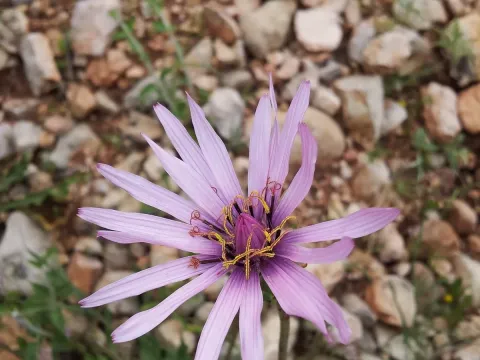
Scorzonera papposa
Scorzonera papposa
Sowing of Scorzonera papposa is typically scheduled for early spring, once the soil has warmed up to at least 8–10 degrees Celsius. Early planting is crucial to allow the root system to establish well before the intense summer heat begins.
What the section contains
Scorzonera papposa
The seeds are sown at a depth of approximately 1.5 to 2.5 centimeters. Depending on the soil structure, lighter soils require slightly deeper placement to ensure adequate moisture contact for germination.
A row spacing of 30 to 45 centimeters is recommended to facilitate future maintenance such as weeding and thinning. Proper thinning is vital, as overcrowding results in thin, stunted roots that lack market value.
Seed treatment, including pre-soaking in biological stimulants, can improve germination rates and uniformity in field conditions. This practice helps overcome the initial slow growth phase characteristic of this species.
Fall preparation of the seedbed is highly beneficial. Deep tilling and the incorporation of well-rotted organic matter ensure that the roots have a loose, deep environment to grow straight and long.
As a member of the Asteraceae family, Scorzonera papposa thrives in deep, loose, well-drained loamy or sandy soils. It is particularly sensitive to heavy, clay-rich soils, which can cause roots to fork or rot prematurely.
The crop is known for its cold hardiness, making it adaptable to temperate climates. It requires full sunlight to maximize leaf development and the subsequent accumulation of energy in the storage root.
Adequate soil moisture is necessary throughout the growing season, particularly during the root thickening phase. However, waterlogging must be avoided at all costs to prevent root rot and the development of physiological disorders.
Neutral or slightly alkaline pH levels are preferred. Regular inter-row cultivation is essential to maintain soil aeration, which supports root health and prevents surface crusting after heavy rains or irrigation.
Fertilizer application should be balanced, with an emphasis on phosphorus and potassium to improve the quality and storage life of the roots. Excessive nitrogen should be avoided to prevent lush foliage at the expense of root development.
Root rot is the most common threat, especially in soils with poor drainage. Proper crop rotation is the primary defense, ensuring that Scorzonera is not planted in the same area more than once every three to four years.
Soil-dwelling insects, such as wireworms, can damage the integrity of the roots. Cultural practices like deep autumn plowing and the maintenance of a weed-free field significantly reduce the pressure from these pests.
Leaf diseases, including powdery mildew, may occur under high humidity or poor ventilation conditions. Prompt removal of infected leaves and ensuring adequate plant spacing help to mitigate these risks effectively.
Aphids can infest the foliage, potentially weakening the plant during its critical growth period. Biological controls or targeted treatments are recommended if pest populations exceed economic thresholds.
Rodents can also pose a threat, particularly if the crop is left in the ground overwinter. Implementing protective measures around the field borders can help preserve the yield until the time of harvest.
Harvesting usually occurs in late autumn, once the foliage begins to yellow and die back. This timing ensures that the roots have reached their peak size and nutrient density before the onset of deep winter dormancy.
Tools such as garden forks are essential for lifting the roots carefully from the soil. Any damage to the skin during harvest can lead to rapid decay during storage, so a gentle approach is mandatory.
After harvesting, the foliage is trimmed, leaving a small portion of the stem. The roots must be cleaned of excess soil and allowed to air-dry in a cool, shaded, and well-ventilated area to heal any surface wounds.
For long-term storage, roots should be kept in a cool, dark cellar or refrigerator at approximately 0–2 degrees Celsius. Storing them in slightly damp sand helps prevent dehydration and keeps the roots firm for several months.
Scorzonera is highly valued in gourmet cuisine for its unique flavor and high inulin content. Proper post-harvest handling ensures that the culinary quality remains high throughout the winter and early spring.