
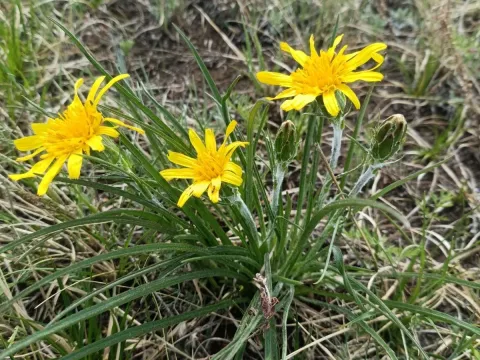
Scorzonera radiata
Scorzonera radiata
Sowing of Scorzonera radiata seeds is primarily carried out in the spring as soon as the soil warms up to 5-8 degrees Celsius. The crop is known for its good cold resistance, making early planting dates preferable for moisture retention in the root zone.
What the section contains
Scorzonera radiata
For high-quality roots, seeds should be sown in prepared furrows at a depth of 2-3 centimeters. The row spacing should be at least 30-40 centimeters to ensure sufficient nutrient space for each plant.
Seedlings of Scorzonera emerge relatively slowly, so it is essential to monitor the field for weeds during the initial vegetation period. Late autumn sowing is also possible, allowing for an earlier harvest in the following season.
After the appearance of two true leaves, thinning is performed, leaving a gap of about 15-20 centimeters between plants in the row. This is critical for the development of full-sized, straight, and large roots.
Using high-quality seed material with high germination energy is key to successful emergence in field conditions, which significantly reduces the cost of potential reseeding.
Scorzonera radiata belongs to the Asteraceae family and is a perennial herbaceous plant, though it is often cultivated as a biennial crop. In nature, it thrives on stony slopes, which predetermines its resilience.
The plant has moderate climate requirements and tolerates temperature fluctuations well. It prefers sunny, open areas, as shading negatively affects growth rates and the accumulation of nutrients in the root.
Soils for cultivation should be deeply tilled and light in texture, preferably sandy loam or light loam. Heavy clay soils lead to root deformation and complicate the harvesting process.
A key requirement is the absence of standing water, as excess moisture triggers root rot. At the same time, regular irrigation during dry periods is necessary to form a succulent and high-quality root texture.
The optimal soil pH range is 6.0–7.0. High soil aeration contributes to better development of the main taproot and increases the overall yield of the crop per unit area.
The productivity of Scorzonera radiata depends on soil fertility and strict adherence to cultivation techniques. Under favorable conditions, the root yield can reach significant levels, ensuring a stable supply of marketable products.
The economic use of the crop includes consuming the roots as a dietary product, which is rich in inulin. This makes the plant a valuable nutrition component for people monitoring their blood sugar levels.
The leaf rosette of the plant can also be used in green forage systems or as a nutritional additive. However, the primary target product remains the fleshy taproot, which possesses distinct culinary qualities.
To increase marketable yield, timely hilling and fertilization with mineral fertilizers are necessary. Potassium and phosphorus compounds are particularly important as they stimulate root system development.
Proper storage of the harvest in cool, high-humidity rooms allows the culinary and biological qualities of Scorzonera to be maintained for several months after the harvest is completed.
Among the main diseases, fungal infections like powdery mildew stand out, which develop under high humidity and poor ventilation. Crop rotation remains an effective control method.
Roots can be damaged by soil pests, including wireworms and white grubs. Preventive measures include deep autumn plowing and monitoring pest populations in the field.
Aphids and other sucking insects may attack the aerial parts of the plant during hot weather. If pest populations reach thresholds, approved bio-pesticides for food crops are used.
Root rot caused by adverse weather conditions or irrigation mismanagement is a serious threat. It is essential to avoid waterlogging and ensure good soil drainage on the plot.
- Powdery mildew
- Root rot
- Wireworms
- Aphids
Harvesting Scorzonera radiata is conducted at the end of the vegetation period when the roots reach technical maturity. Depending on the region, this typically occurs in late autumn or early winter.
The roots are very fragile, so their extraction from the soil requires caution. Using forks or special tools helps minimize mechanical damage during the digging process.
After being lifted from the ground, the roots are cleaned of soil residue and foliage. If storage is required, they should not be washed but air-dried in the shade to reduce the risk of pathogen growth.
In regions with mild winters, a portion of the crop can be left in the soil, as Scorzonera is highly frost-hardy. This allows for digging fresh roots just before consumption.
Transportation should be carried out with extreme care, as damaged roots quickly lose their marketable appearance and are prone to spoilage during the distribution process.