
Pasaccardoa grantii
Pasaccardoa grantii
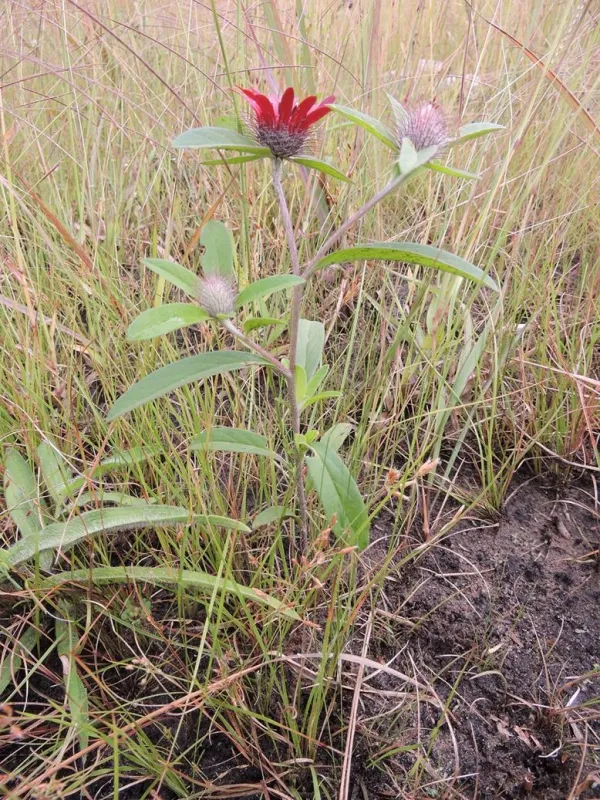
Description
Sowing dates
Pasaccardoa grantii is a unique herbaceous plant belonging to the Asteraceae family, primarily native to the savannah ecosystems of East Africa.
The life cycle of this species is highly adapted to the tropical climate, where seed germination is triggered by the onset of seasonal rainfall patterns.
For successful cultivation, seeds require a period of warm stratification to break dormancy before being planted in a well-draining medium.
Timing the sowing process is critical; in temperate zones, it must be performed in greenhouse conditions to replicate the tropical warmth necessary for early growth.
Proper spacing between plants is essential to ensure adequate airflow, which prevents the development of fungal infections that the species is prone to in high-humidity environments.
Growing requirements
The plant thrives in soil conditions that mimic its native habitat, specifically requiring sandy or loamy soils with excellent natural drainage capabilities.
As a sun-loving species, Pasaccardoa grantii needs full exposure to sunlight to maintain its structural integrity and encourage regular floral development.
Moisture management is the most critical aspect of agrotechnical care, as the root system is highly sensitive to hypoxia caused by waterlogged soil conditions.
Temperatures should be kept stable between 22°C and 28°C during the growing season to ensure optimal metabolic activity and prevent plant stress.
Regular monitoring of soil pH is recommended, as the plant prefers slightly acidic to neutral environments to maximize nutrient uptake from the substrate.