
Palafoxia rosea
Palafoxia rosea
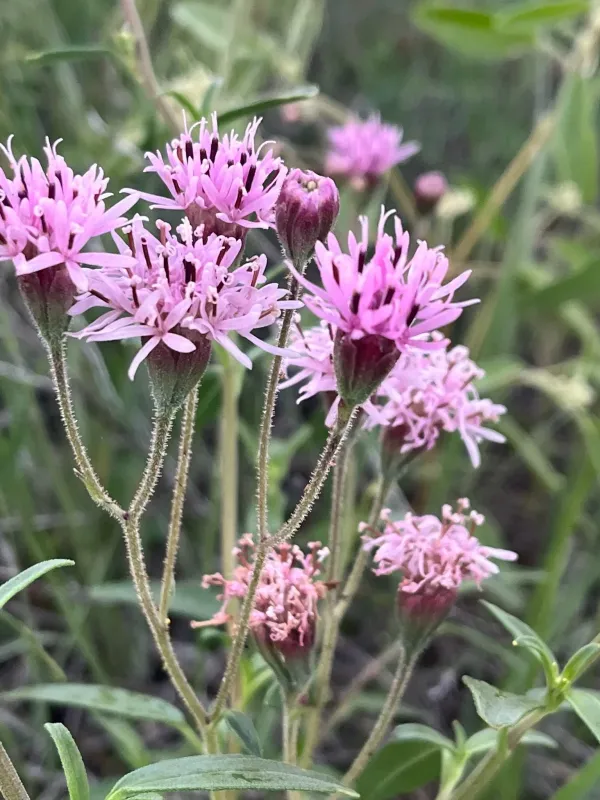
Description
Sowing dates
Palafoxia rosea, commonly known as rose palafoxia, is an annual herbaceous plant belonging to the Asteraceae family, native to the southwestern United States and Mexico.
For horticultural purposes, seeds are typically sown in early spring, either in a protected nursery environment or directly into the garden once soil temperatures rise.
The seeds require light to germinate, so they should be covered only very lightly with soil to ensure optimal contact for sprouting.
Proper spacing is crucial for development, with seedlings typically set about 12 to 16 inches apart to ensure good air circulation.
Once established, the plants grow rapidly, and in warm climates, they may even self-seed, providing blooms for the subsequent season.
Growing requirements
This species is highly adapted to arid environments, thriving in full sun and showing remarkable tolerance to extreme summer heat.
The ideal soil for Palafoxia rosea is a well-draining, sandy, or rocky substrate that prevents water from accumulating around the root system.
Watering requirements are minimal compared to typical bedding plants; the species prefers a cycle of wetting and drying to remain healthy.
It does not require heavy fertilization, as nutrient-rich soils can cause leggy growth that reduces the structural integrity of the stems.
The plant is excellent for xeriscaping, providing a splash of color in areas where traditional garden flowers would require excessive irrigation.
Main diseases and pests
Pathogens related to moisture stress are the primary concern, particularly root rot (Phytophthora or Pythium) occurring in poorly drained soils.
During prolonged humid conditions, powdery mildew can manifest on the foliage, impacting both the aesthetic value and the plant's photosynthesis efficiency.
Insects like aphids and whiteflies can occasionally become a problem, especially if the plants are stressed by extreme drought or environmental changes.
Integrated pest management suggests starting with cultural controls such as improving air circulation and removing affected plant parts immediately.
Monitoring the soil moisture levels is the most effective preventative strategy against the most common diseases encountered by this crop.