
Palafoxia sphacelata
Palafoxia sphacelata
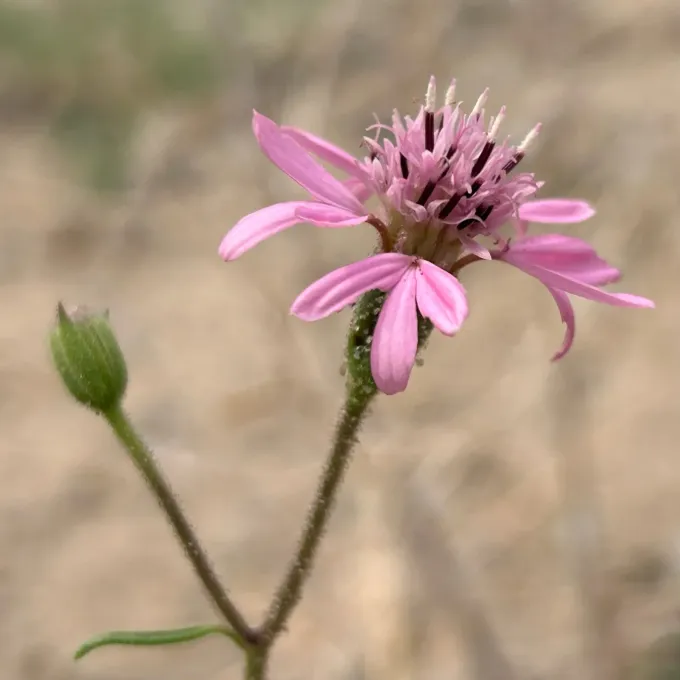
Description
Sowing dates
Palafoxia sphacelata is an annual herbaceous plant native to the sandy prairies of North America. The sowing process begins once the soil temperature is consistently above 15 degrees Celsius, ensuring favorable germination conditions.
Seeds should be sown at a shallow depth of 1–2 centimeters to allow for optimal seedling emergence. Providing a well-structured seedbed is crucial to ensure that the small seeds maintain good contact with the moist soil particles during the first stages of growth.
Spacing between rows should be maintained at 40 to 50 centimeters to prevent overcrowding. This distance allows for adequate airflow and facilitates mechanical weeding operations that are essential for successful stand establishment.
Initial irrigation might be necessary in extremely dry springs to jumpstart the germination process, although the species is notably adapted to drought once the taproot is fully developed.
The plant demonstrates a rapid early growth phase, which is a key adaptive trait allowing it to secure its place in the ecosystem before slower-growing weeds can dominate the area.
Growing requirements
This crop thrives in well-drained, sandy, or sandy-loam soils. It is particularly sensitive to soil compaction and waterlogging, which can cause rapid root degradation and overall plant failure within a very short timeframe.
Light availability is the most critical environmental requirement for Palafoxia sphacelata. As a sun-loving species, it requires full, direct sunlight throughout the day to achieve its maximum biomass potential and proper reproductive development.
The plant exhibits exceptional drought tolerance, a characteristic feature of its native prairie habitat. Its foliage, often covered in glandular hairs, plays a vital role in reducing water loss through transpiration, allowing it to survive high temperatures.
Soil pH levels should ideally range between neutral and slightly alkaline. The plant does not require high levels of soil fertility, making it a potentially low-input crop in suitable arid environments where other species might struggle.
Regular mechanical cultivation of the soil is beneficial to ensure adequate aeration around the root zone, which supports the plant's metabolic activity during peak summer growth phases.
Main diseases and pests
Palafoxia sphacelata generally possesses high resistance to many common agricultural pathogens. The primary threat to its health is associated with excessively wet conditions, which can lead to various forms of root rot and stem decay.
Insects like aphids can occasionally cause issues during the bloom phase. While the plant has some natural chemical defenses, severe infestations can diminish seed yields by weakening the reproductive structures and causing stress to the plant.
Soil-dwelling pests, such as wireworms, can damage the underground portions of young plants, leading to reduced growth or seedling mortality. Crop rotation strategies are highly effective in managing these risks.
Mildew may appear in cases of poor airflow or high local humidity, but it rarely reaches levels that would require significant chemical intervention. Proper spacing is the primary tool for mitigating these environmental-based threats.
Overall, maintaining the plant's health relies on selecting appropriate, well-drained sites and following sustainable cultivation practices rather than relying on heavy pesticide applications, which can disrupt the natural balance.