
Oldenburgia grandis
Oldenburgia grandis
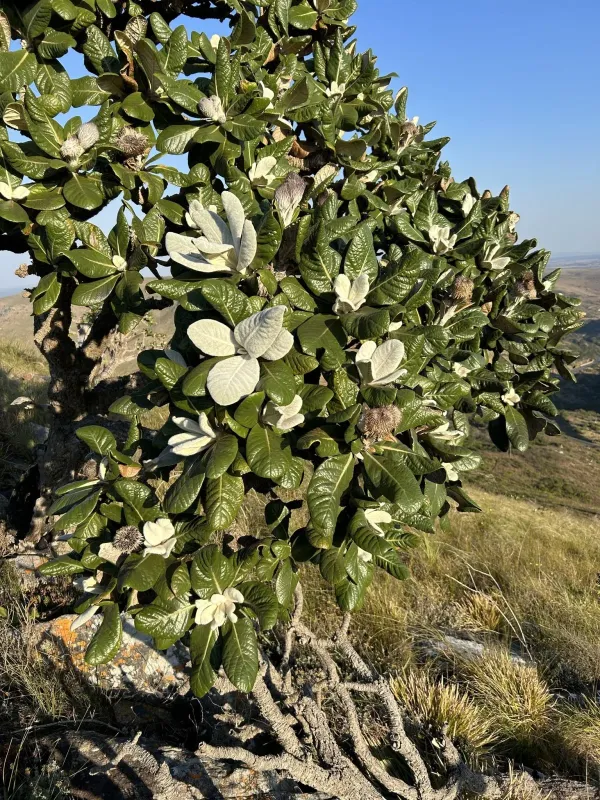
Description
Growing requirements
Oldenburgia grandis is a rare and distinct plant species belonging to the Asteraceae family. Native to the mountainous terrains of the Western Cape in South Africa, it is highly valued for its striking architectural appearance and silver-felted foliage.
Botanically, the species is characterized by its large, leathery leaves covered in dense, woolly hairs. This adaptation allows the plant to thrive in exposed, rocky habitats where water availability is periodic and solar radiation is intense.
The cultivation of Oldenburgia grandis requires highly specific environmental conditions, primarily focusing on soil drainage. A gritty, acidic, or neutral substrate that mimics the natural fynbos soil conditions is essential to prevent root rot.
The climate requirements include a Mediterranean-style pattern, featuring cool, dry winters and warm, sunny summers. Providing adequate ventilation is crucial, as the plant struggles in stagnant, humid environments which favor the growth of pathogenic fungi.
In terms of хозяйственного (utilitarian) use, it serves primarily as an ornamental collector's plant for conservatories and specialized dry gardens. Its slow growth rate and unique morphology make it a prized specimen for botanical displays and research purposes.
Main diseases and pests
The primary threat to the health of Oldenburgia grandis is root rot, frequently caused by over-irrigation or poorly drained growing media. Once the root system is compromised, the plant is extremely difficult to recover, often leading to total loss.
Pests such as mealybugs and spider mites can occasionally affect the plant, particularly in sheltered greenhouse conditions. Early detection and targeted treatment are necessary to protect the delicate, fuzzy surface of the leaves from damage.
Excessive nitrogen fertilization is detrimental to the species, as it promotes soft, succulent growth that is susceptible to pests and physical collapse. A minimalist nutritional strategy using low-concentration mineral fertilizers is generally recommended.
Environmental stress, particularly sudden changes in moisture levels, can lead to leaf drop or desiccation. Stability in the growing environment, including consistent light levels and moderate temperatures, helps maintain the plant's health over time.
Pruning should be performed with extreme caution, using sterile tools to prevent the introduction of pathogens. Because the plant grows slowly, any damage to the central growth point may require significant time to heal or result in permanent deformation.