
Olearia buchananii
Olearia buchananii
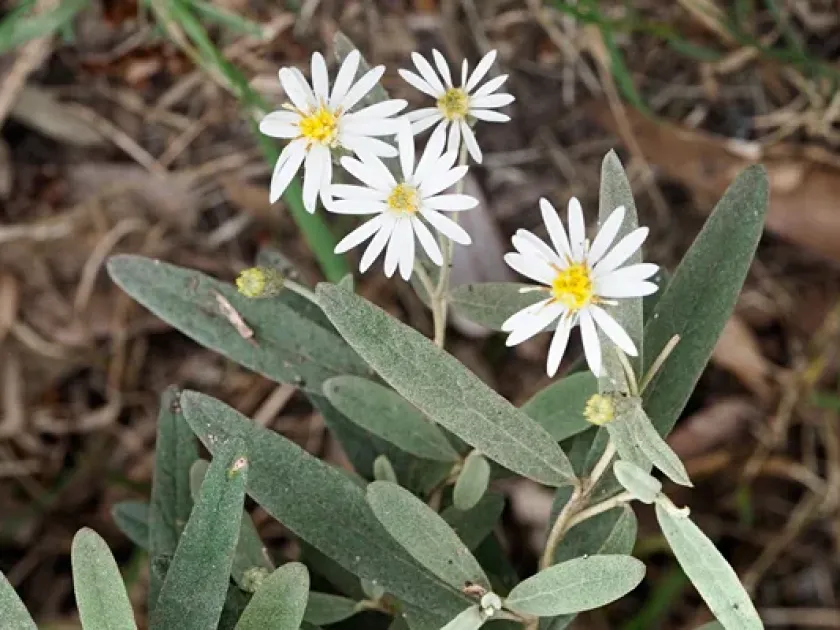
Description
Growing requirements
Olearia buchananii is an evergreen shrub belonging to the Asteraceae family. Native to the unique environments of New Zealand, this plant is well-known for its architectural form and is highly valued in horticulture for its resilience in specific temperate coastal conditions.
Botanically, the plant is characterized by its leathery foliage which features a distinctive silvery underside. This characteristic provides a striking visual effect, making the shrub a popular choice for structured garden designs that require year-round foliage color and texture variety.
Successful cultivation requires soil that is light, well-drained, and slightly acidic to neutral in pH. Because it is highly sensitive to waterlogged conditions, growers must ensure that the planting site has excellent drainage, especially in areas with frequent rainfall or heavy clay soil.
Climate requirements for this species are centered around mild, oceanic conditions. It thrives in locations that are sheltered from harsh, drying winds and excessive heat. While it adapts well to coastal environments, it is generally not considered fully frost-hardy and requires protection in colder climates.
Economically and ornamentally, Olearia buchananii is primarily utilized in landscape architecture. It serves effectively as a windbreak in seaside gardens or as a standalone shrub in mixed borders where its aesthetic qualities can be fully appreciated throughout the vegetation period.
Main diseases and pests
The primary health threats to this shrub are often linked to improper irrigation practices. Excessive soil moisture is a leading cause of root rot, a serious condition that can lead to rapid plant decline if not addressed through soil management and corrective drainage.
Pest issues typically include infestations of aphids or scale insects. These pests feed on the nutrient-rich sap of young shoots, causing leaf distortion. Maintaining a regular monitoring schedule is essential for early detection and the effective application of integrated pest management strategies.