
Miyamayomena koraiensis
Miyamayomena koraiensis
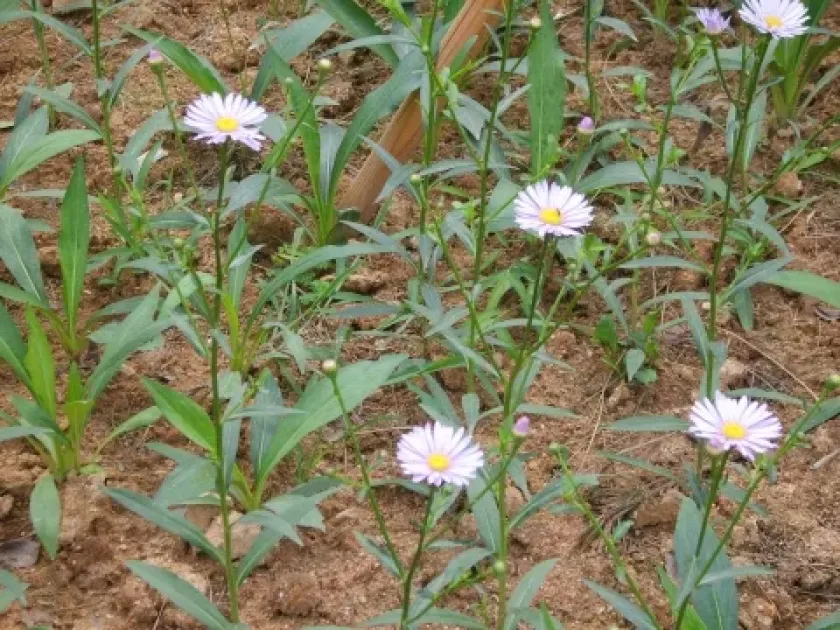
Description
Sowing dates
Propagation of Miyamayomena koraiensis is most effectively performed by dividing the rootstock during the spring or autumn months.
For seed propagation, a stratification period of 4 to 8 weeks in cold conditions is necessary to break dormancy and ensure uniform germination.
Sowing in containers is typically performed in late winter or early spring using a well-draining, nutrient-rich potting medium.
Transplanting seedlings to the field occurs once the danger of frost has passed, usually in late spring when the soil temperature has stabilized.
Proper spacing is crucial for airflow, with a recommended distance of at least 30 cm between individual plants to prevent overcrowding.
Growing requirements
This species belongs to the Asteraceae family and is recognized for its robust nature and adaptability as a perennial herbaceous plant.
Optimal growth is achieved in sunny to partially shaded locations, provided the soil remains consistently moist but not waterlogged.
The ideal soil for this crop is slightly acidic to neutral, rich in organic humus, and capable of maintaining a good structure throughout the season.
Regular irrigation is required during the peak growth season, especially if rainfall is insufficient to maintain soil moisture levels.
Fertilization with balanced NPK compounds early in the spring supports vigorous vegetative growth and enhances the plant's flowering potential.
Main diseases and pests
Fungal pathogens such as powdery mildew are common threats, especially when humidity levels remain high and air circulation is restricted.
Sap-sucking insects, including aphids and spider mites, are primary pests that can significantly weaken the plant if left unchecked.
Root rot caused by stagnant water or poor drainage is a serious concern that can quickly lead to the decline of the entire plant population.
Leaf spots may appear in rainy seasons, necessitating the removal of infected foliage to prevent the spread of fungal spores.
Integrated pest management strategies, such as biological control and timely application of soaps or oils, are recommended for organic maintenance.
Harvesting
The primary use of Miyamayomena koraiensis is in ornamental horticulture, where it is utilized for borders, rock gardens, and mass plantings.
Seeds should be collected when the seed heads are fully mature and dry, usually in late summer, to ensure the highest quality germplasm.
Cut flowers intended for decorative use are best harvested early in the morning when the blossoms are at their peak for optimal longevity.
Winter maintenance involves cutting the plants back to the base after the first hard frost to prepare them for the dormancy period.
Regular monitoring of the site after the harvest allows for the assessment of winter survival and planning for spring rejuvenation.