
Miyamayomena savatieri
Miyamayomena savatieri
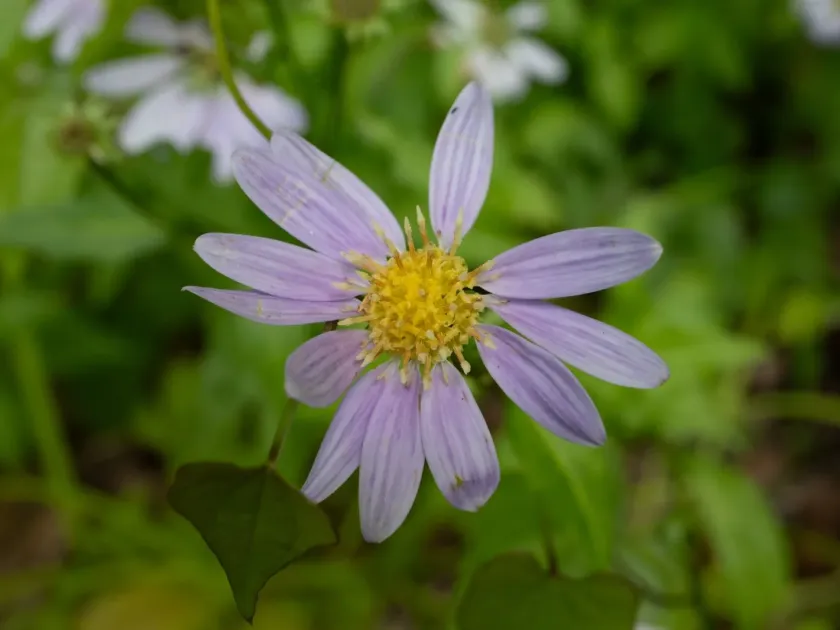
Description
Sowing dates
Sowing seeds of Miyamayomena savatieri is best performed in early spring once the ground has warmed up sufficiently, ensuring optimal germination conditions for the seedlings.
For better results, it is recommended to stratify the seeds for several weeks in a cold environment, which mimics natural seasonal changes and encourages a more uniform sprout rate.
Seedlings should be moved into separate containers once they develop their first set of true leaves, allowing sufficient space for root system development before final transplanting.
Transplanting to the permanent garden site should take place after the risk of frost has passed, usually in late spring, spacing plants about 30 to 40 centimeters apart.
Vegetative propagation by dividing the clumps is a highly effective method, which should be done either in early spring or after the main flowering season is over.
Growing requirements
Miyamayomena savatieri, a member of the Asteraceae family, is a herbaceous perennial that originates from East Asia and is highly valued for its natural look in landscaping.
This plant thrives in sunny locations but can tolerate partial shade, making it a versatile choice for borders and rock gardens that require a touch of floral beauty.
The preferred soil type is fertile and well-drained loam, as the plant is sensitive to waterlogging, which can easily compromise the health of its root system.
Regular watering is essential during the peak growing season to ensure vigorous growth, particularly during dry spells when the soil moisture levels drop significantly.
To promote health and resilience, an application of organic fertilizer once per season provides the necessary nutrients for sustaining vibrant foliage and flower production.
Main diseases and pests
Root rot is the most significant threat to Miyamayomena savatieri, primarily occurring in poorly drained or heavy soils where water accumulates and lacks oxygen.
Powdery mildew may manifest as a white film on the leaves when air circulation is poor or humidity levels remain consistently high during the warmer summer months.
Aphids and spider mites are common pests that tend to infest the plant's soft growth, requiring regular monitoring and early intervention to prevent severe foliage damage.
Garden slugs and snails can be problematic for young shoots early in the season, necessitating the use of protective barriers or manual removal to safeguard the young plants.
Maintaining a clean garden environment by removing weeds and diseased plant debris significantly reduces the risk of pest outbreaks and fungal infections throughout the year.
Harvesting
Harvesting flower stems for fresh arrangements should be done during the peak of the bloom, selecting stems with healthy foliage to extend the vase life of the cut flowers.
If seeds are intended for harvest, wait until the flower heads have dried naturally on the plant before collecting them, ensuring they are mature enough for storage.
Pruning the above-ground part of the plant in late autumn, after the first frost, prepares the perennial for its dormant phase and prevents the accumulation of pathogens.
When collecting root divisions for propagation, it is critical to select vigorous parts of the parent clump that demonstrate strong, healthy growth and no signs of rot.
All harvested plant waste should be managed properly, either through composting if it is healthy or by disposal if it shows any signs of blight or fungal contamination.