
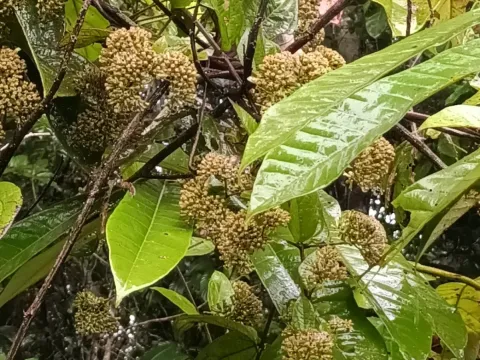
Mikania parviflora
Mikania parviflora
Mikania parviflora is a perennial herbaceous plant belonging to the Asteraceae family. In agricultural practices, it is typically propagated through seeds or vegetative cuttings, depending on the specific objectives of the cultivation cycle and environmental conditions.
What the section contains
Mikania parviflora
Seed germination requires a temperature range between 20 and 22 degrees Celsius. The soil should be thoroughly prepared, ensuring it is loose, well-drained, and free from competitive weeds that could hinder the establishment of young seedlings.
When starting from seeds, it is recommended to use trays or starter containers in a greenhouse environment. This allows for better control over the germination process, resulting in stronger, more uniform seedlings before they are transplanted to the open field.
Transplanting into the permanent field site should be done once the threat of frost has completely passed. A spacing of at least 50 centimeters between plants is recommended to facilitate airflow and provide sufficient root space for optimal growth.
Providing structural support such as trellises is beneficial, as many species in this genus exhibit a vining habit. Proper training of the stems prevents the foliage from matting on the ground, thereby reducing the risk of fungal infections and improving harvesting efficiency.
The plant thrives in locations that offer bright, indirect sunlight. While it appreciates high light intensity, extreme exposure to direct noon sun in hot climates may cause foliage scorch, necessitating occasional shading.
Soils must be fertile and possess a slightly acidic to neutral pH, ideally between 6.0 and 7.0. The soil structure should be porous enough to allow for excellent drainage, as the species is highly sensitive to waterlogged conditions.
Consistent moisture levels are essential for the health of Mikania parviflora. During the peak of the growing season, irrigation should be frequent and steady to prevent the plant from experiencing water stress, which could stunt vegetative output.
Nutrient management is critical; a balanced fertilizer approach is recommended. Nitrogen-rich fertilizers should be applied during the early growth phase, whereas potassium and phosphorus are vital during the reproductive stages to ensure robust development.
Regular weeding around the root zone is a fundamental agronomic requirement. Organic mulching is highly effective as it helps retain soil moisture, suppresses weed germination, and enhances the overall biological activity of the soil.
Powdery mildew represents a significant threat during periods of high humidity and poor ventilation. Maintaining adequate spacing between plants is the most effective cultural practice to mitigate the spread of this fungal disease.
Spider mites are common pests that thrive in dry, hot conditions. These pests suck the cell sap from the leaves, causing chlorosis and general weakness of the plant; regular monitoring is essential to detect outbreaks early.
Root rot is typically caused by poor soil drainage or over-irrigation. If such symptoms are observed, the affected area should be checked, and drainage measures must be improved immediately to prevent the disease from spreading to healthy plant colonies.
Aphids can cause deformation of new growth and serve as vectors for viral diseases. Integrated pest management, focusing on natural predators or soft soap sprays, is recommended to keep pest populations below the economic injury level.
Good agricultural hygiene, including the removal of dead or diseased plant debris, is vital for maintaining a healthy crop. This simple practice significantly reduces the overwintering potential of various pathogens and insect pests.