
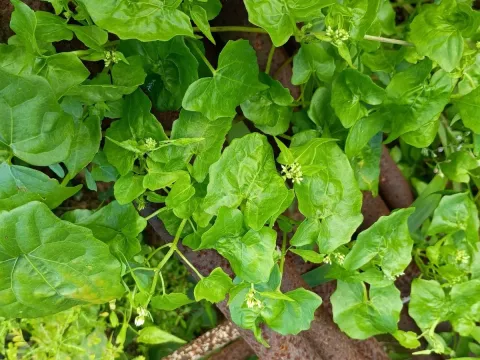
Mikania
Mikania
Mikania is a diverse genus of perennial herbaceous plants and vines belonging to the Asteraceae family. Known for their rapid growth, certain species are valued in tropical agriculture for their medicinal properties and soil-stabilizing capabilities.
What the section contains


Mikania
The crop thrives in tropical environments, requiring consistent warmth and high humidity to reach its full vegetative potential. Temperatures between 25°C and 30°C are ideal, and the plant remains highly sensitive to frost, necessitating controlled climates in non-tropical regions.
Well-draining, nutrient-rich soils with a pH ranging from 5.5 to 7.0 are preferred for successful cultivation. Consistent moisture levels are vital, but waterlogging should be strictly avoided to prevent root damage, which is a common issue in intensive farming.
Agricultural management includes providing vertical structures or trellises to support the vine's habit. This practice improves air circulation within the canopy, which is essential for reducing the humidity-related stress on the plant.
Beyond its botanical significance, Mikania is cultivated for its anti-inflammatory properties found in its foliage. It serves as a secondary crop in agroforestry systems, contributing to soil health and erosion prevention in humid tropical climates.
Common pests include aphids, whiteflies, and spider mites, which can quickly infest the dense foliage of the plant. These pests thrive in high-humidity environments, making regular monitoring of the underside of leaves crucial.
Fungal diseases, specifically powdery mildew and root rot, represent significant risks during seasons with high rainfall. Pathogens often spread rapidly if there is insufficient spacing between plants or poor drainage.
Integrated Pest Management (IPM) is highly recommended to control outbreaks while maintaining the purity of the crop for medicinal use. This involves natural predators and manual removal of infected sections.
Soil management must focus on preventing the buildup of moisture around the base of the plant. Incorporating mulch can help maintain humidity, but it must be applied carefully to avoid contact with the primary stems.
Proper sanitation in the fields, including the removal of dead or decaying plant matter, is an essential agricultural practice to minimize the buildup of fungal spores and overwintering larvae in the plantation area.