
Mikania acuminata
Mikania acuminata
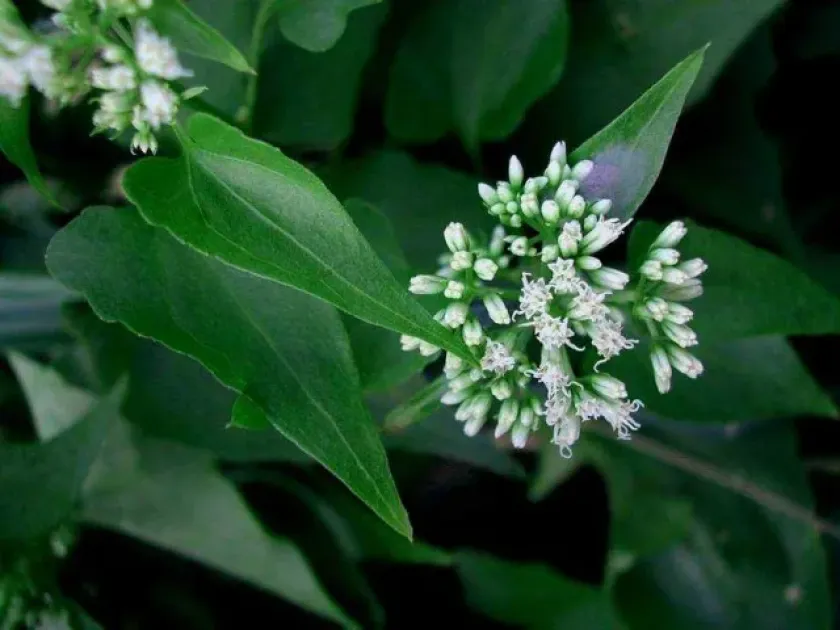
Description
Growing requirements
Mikania acuminata is a perennial plant species belonging to the Asteraceae family. Native to the tropical ecosystems of South America, it naturally thrives in humid environments as part of the forest understory, often exhibiting climbing vine characteristics.
The cultivation of this plant requires a stable tropical climate with high humidity levels throughout the growing season. It is extremely sensitive to thermal fluctuations and frost, necessitating the use of greenhouses or controlled indoor environments for consistent production.
Regarding soil requirements, Mikania acuminata prefers nutrient-rich, organic-heavy, and well-draining substrates. Maintaining a consistent moisture level is vital, although farmers must avoid waterlogging to prevent root rot and other moisture-related diseases that can devastate the crop.
Light management is a crucial factor in the agricultural cycle of this plant. It adapts best to partial shade, as intense direct sunlight often results in scorched leaves and reduced metabolic activity. Proper screening or spacing techniques are employed in professional farming.
Economically, this species is cultivated primarily for its pharmacologically active compounds. The plant is integrated into various medicinal research and production lines, where its secondary metabolites are extracted for anti-inflammatory and antiseptic formulations, driving the demand for specialized cultivation practices.