
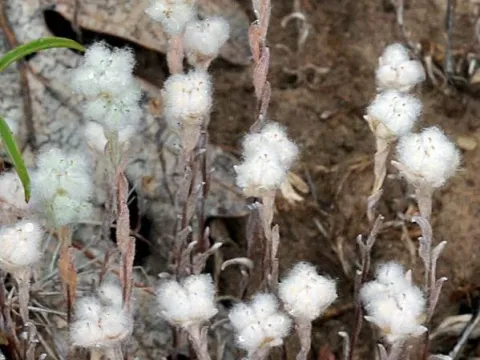
Micropus
Micropus
Micropus is an annual herbaceous plant belonging to the Asteraceae family. In agricultural practice, it is primarily identified as a weed that propagates through abundant seed production and spontaneous germination.
What the section contains

Micropus
Seeds typically begin to germinate in early spring as soil temperatures reach a stable range of 8-10 degrees Celsius. Rapid development during the early growth stages is a hallmark of this species.
The plant demonstrates high efficiency in biomass accumulation, allowing it to compete effectively with primary crops. Its vegetative phase is optimized for long daylight hours, ensuring quick maturity.
Given the hardiness of the seeds, they can remain viable in the soil for several seasons. Early-season cultivation and field monitoring are essential for limiting the population density of Micropus.
Mechanical weed control, including spring harrowing and inter-row cultivation, remains the most effective strategy to manage this plant before it reaches the flowering stage.
Micropus thrives in well-lit, open areas and is highly sensitive to shading from taller crop varieties. It exhibits a preference for light, sandy, or loamy soil textures.
The plant is known for its exceptional drought tolerance, which allows it to persist and compete successfully in arid regions. It efficiently utilizes scarce moisture resources during the peak of the growing season.
Soil fertility requirements for Micropus are relatively low, enabling it to colonize degraded or nutrient-poor lands with ease. It prefers neutral pH levels but maintains stability in slightly saline environments.
Space in the agroecosystem is the primary factor limiting its spread. Dense canopy cover from robust crops effectively inhibits its germination and prevents it from reaching maturity.
The root system is well-adapted for moisture absorption, allowing the plant to remain active even when surface layers of the soil have significantly dried out.
The primary agricultural threat posed by Micropus is its role as a competitive weed. By consuming water and mineral nutrients, it can indirectly reduce the yield potential of main crops.
Diseases that affect this genus include fungal pathogens such as powdery mildew, which may spread under conditions of high humidity or poor field ventilation.
While various insects, such as aphids and weevils, may feed on the foliage, they rarely eliminate the plant population due to its high regenerative capacity and inherent resilience.
Effective management strategies emphasize cultural practices, including strategic crop rotation and the use of clean, certified seeds for planting.
Chemical control via herbicides is reserved for severe infestations. It is crucial to select herbicides that provide adequate control of Asteraceae weeds while ensuring the safety of the target agricultural crop.