
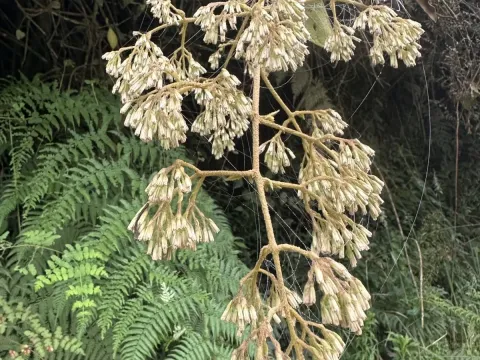
Mikania hirsutissima
Mikania hirsutissima
Mikania hirsutissima is a perennial climbing vine belonging to the Asteraceae family. It is native to the tropical regions of South America, specifically thriving in the warm and humid climates of Brazil.
What the section contains
Mikania hirsutissima
The plant requires a stable temperature range between 20 and 30 degrees Celsius to reach its maximum productivity. It is highly sensitive to cold and frost, making greenhouse cultivation essential in temperate zones.
Soil requirements include excellent drainage and high organic matter content. Regular moisture is necessary for the development of its hairy stems and lush foliage, but waterlogging should be strictly avoided to prevent root diseases.
As a climbing plant, Mikania hirsutissima requires a trellis or vertical support system. Proper spacing in a controlled environment ensures adequate airflow, which is critical for maintaining plant health and vigor.
Fertilization should be balanced, focusing on nitrogen during the early growth stages to support vegetative development. Providing sufficient light is also key to ensuring the chemical synthesis of its secondary metabolites.
The most common threats to Mikania hirsutissima include fungal pathogens such as leaf spot and various types of mold, which often emerge when humidity levels exceed optimal parameters in greenhouse settings.
Pests such as spider mites and aphids are major concerns. These insects tend to colonize the undersides of the leaves, causing significant stress and potentially stunting the overall growth of the vine.
Integrated pest management, including the use of neem oil or biological controls, is highly recommended to protect the integrity of the plant for medicinal use. Chemical interventions should be minimized.
The harvest involves carefully pruning the aerial parts of the plant. This activity is typically timed during the peak of the growing season to ensure the highest yield of active pharmacological compounds.
Post-harvest handling is crucial, as the biomass must be dried immediately in a clean, ventilated environment to prevent degradation of the plant's medicinal properties before it reaches the processing facility.