
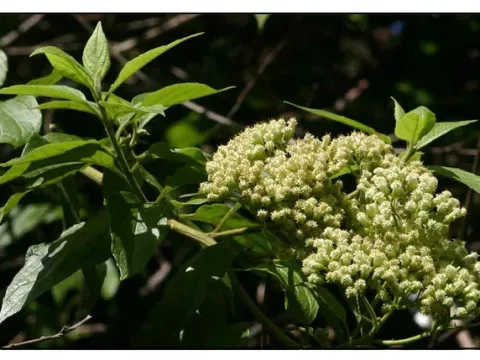
Microglossa
Microglossa
Microglossa is a genus of perennial herbaceous plants and subshrubs belonging to the Asteraceae family. This genus is recognized for its adaptive nature and significant role in specific ecosystems where it acts as a primary nectar source for pollinators.
What the section contains

Microglossa
Originating from tropical regions of Africa and Asia, the plant thrives in diverse environments, ranging from open savannas to the edges of dense forests. Its ability to colonize disturbed areas makes it a candidate for various landscape and ecological projects.
The cultivation of Microglossa requires well-drained, nutrient-rich soils. While the plant is quite versatile, it performs best in soils with a pH level between 6.0 and 7.5, ensuring optimal nutrient availability for its vigorous growth.
Temperature remains a critical factor, as Microglossa is strictly a frost-sensitive plant. In temperate regions, it must be cultivated in protected environments or treated as an annual to avoid damage from low winter temperatures.
Effective management includes routine pruning to encourage branching and flowering density. Proper spacing is essential to ensure adequate airflow, which prevents the development of fungal pathogens common in dense vegetation.
Fungal infections, primarily powdery mildew and leaf spot, represent the most significant threat to Microglossa, especially during humid and overcast weather conditions that limit evaporation.
Pest pressure from aphids and spider mites can severely impact the quality of the foliage. These pests thrive in dry conditions or when the plant is experiencing drought-induced stress, necessitating consistent irrigation management.
Management strategies involve the use of systemic fungicides and miticides. Additionally, maintaining optimal plant health through balanced fertilization enhances the plant's natural resistance to secondary infections.
Biological control methods, such as the introduction of predatory ladybugs or mites, are highly recommended for controlled environments to ensure sustainable plant protection without chemical residues.
Sanitation practices, including the removal of dead or decaying plant tissue, are fundamental to breaking the life cycle of common pests and preventing the outbreak of soil-borne pathogens in the root zone.