
Lopholaena platyphylla
Lopholaena platyphylla
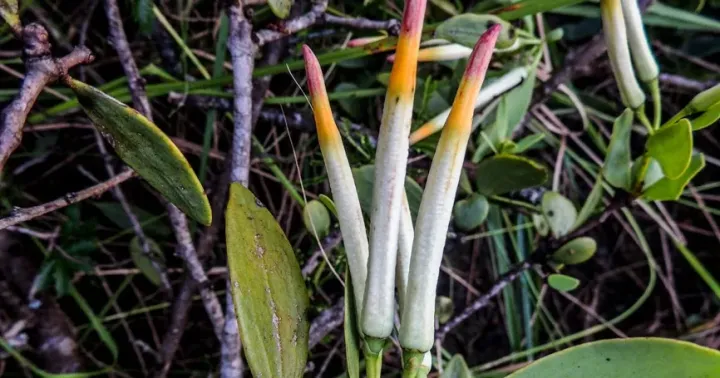
Description
Growing requirements
Lopholaena platyphylla is a perennial shrub species belonging to the Asteraceae family. It is native to the southern parts of Africa, where it has evolved to thrive in open grassland and savannah environments.
The plant requires well-drained soil types to prevent root saturation, which is crucial for its long-term survival. It is highly valued for its drought tolerance, making it an excellent candidate for regions with scarce water resources.
Full sun exposure is necessary for the optimal physiological activity of this species. It performs best in warm climates and shows resilience against temperature fluctuations typical for its native habitat.
Agricultural management should focus on maintaining proper spacing to ensure adequate airflow and nutrient access. The plant develops a deep root structure, requiring stable soil conditions to support its biomass production.
Economically, Lopholaena platyphylla is mainly utilized in range management. Its ability to stabilize the soil surface makes it a valuable asset for land rehabilitation projects in semi-arid areas.
Main diseases and pests
Fungal diseases related to poor drainage are the primary threat to the health of Lopholaena platyphylla. Excessive moisture in the rhizosphere often leads to root rot, which is difficult to manage once the infection has taken hold.
Sucking insects, particularly aphids, pose a significant risk by weakening the plant's structural integrity. Early detection and targeted treatment are essential to prevent outbreaks during the growing season.
Spider mites are common pests that thrive under hot and dry conditions, potentially damaging the foliage. Maintaining adequate plant hygiene is a critical step in reducing the prevalence of such infestations.
Powdery mildew may develop if there is insufficient air circulation around the plants. Proper spatial arrangement is an effective preventative measure to ensure the plants remain healthy throughout their life cycle.
Integrated pest management strategies are recommended to mitigate threats. Regular field scouting and the use of sustainable control methods are vital for maintaining high yields in an agricultural setting.