
Lopholaena coriifolia
Lopholaena coriifolia
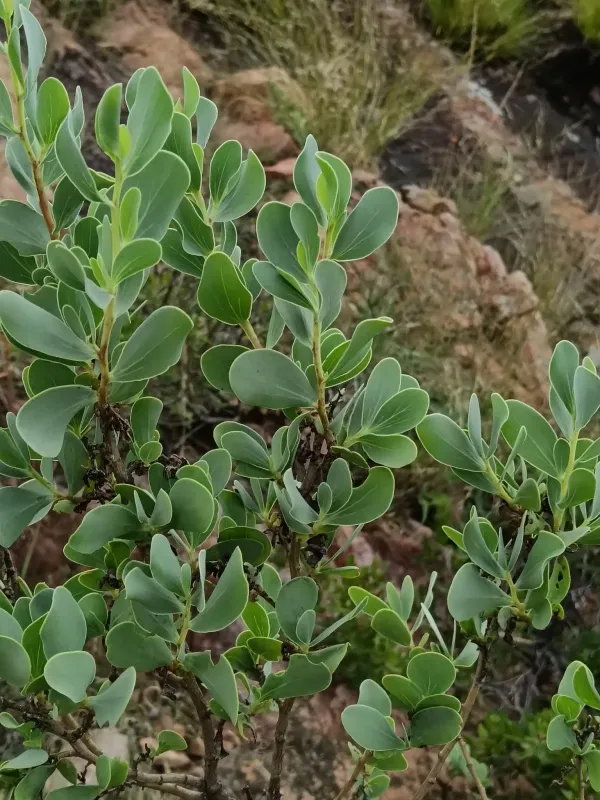
Description
Growing requirements
Lopholaena coriifolia is a perennial shrub belonging to the Asteraceae family, native to the southern regions of Africa. This plant is well-adapted to open, arid environments where it occupies rocky slopes and grassland ecosystems.
The species is primarily recognized for its high tolerance to drought and heat, making it a subject of interest for sustainable agricultural projects in water-scarce regions. It requires full sunlight exposure to maintain robust health and optimal growth rates.
Botanically, the plant features leathery, coriaceous leaves which act as a key mechanism for water retention. Its root system is deeply penetrating, allowing the shrub to source moisture from deeper soil layers during extended dry seasons.
When selecting a planting site, growers must prioritize well-draining, sandy or gravelly soil types. Proper soil aeration is critical, as stagnant water is lethal to this species due to its predisposition to root zone issues.
Agronomic management should include minimal irrigation, strictly following seasonal cycles to prevent waterlogging. Understanding the specific phenology of Lopholaena coriifolia is essential for successful cultivation in non-native climates.
Main diseases and pests
The primary threats to Lopholaena coriifolia involve fungal diseases that thrive under conditions of high relative humidity and poor soil drainage.
Root rot pathogens represent the most significant threat to plant longevity, especially during periods of excessive precipitation or improper irrigation management.
Insects, such as aphids, can occasionally cause damage by feeding on the tender apical growth, potentially leading to stunted development.
Integrated Pest Management (IPM) strategies are recommended, focusing on maintaining plant vigor through proper site selection and avoiding chemical overspray.
Routine monitoring for signs of wilt or discoloration in the foliage allows for early intervention, ensuring the health of the crop remains stable throughout the season.