
Leucochrysum albicans
Leucochrysum albicans
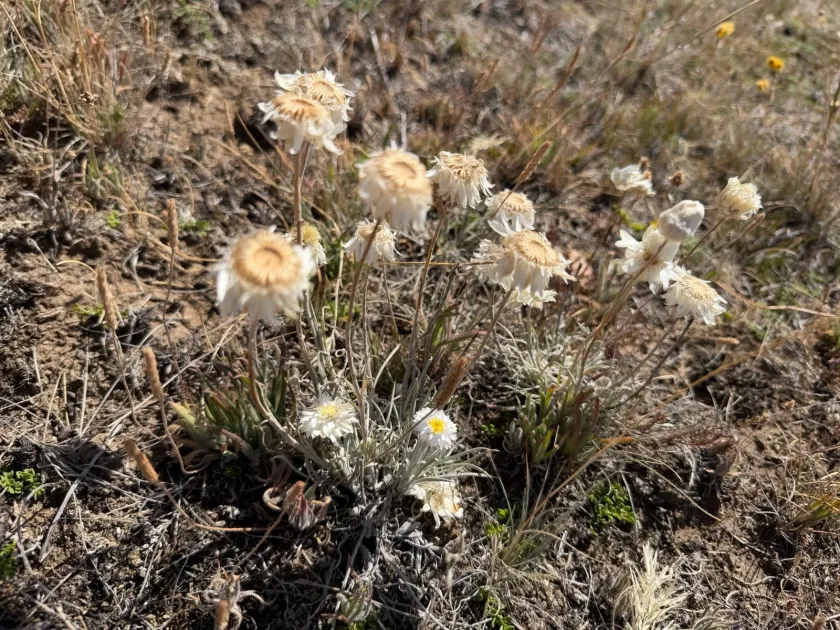
Description
Sowing dates
The propagation of Leucochrysum albicans is best achieved through seed sowing in trays during late winter, typically 6–8 weeks before the last frost date.
Seeds are surface-sown onto a well-draining seed-starting mix, as they require light to germinate effectively and should not be buried deep.
Maintaining a consistent temperature of about 20 degrees Celsius promotes uniform germination, which usually occurs within two to three weeks.
Seedlings should be pricked out into individual pots once they develop their first set of true leaves to prevent crowding and root entanglement.
Hardening off the seedlings is essential before transplanting them into the garden to ensure they adapt to outdoor environmental conditions.
Growing requirements
Belonging to the Asteraceae family, Leucochrysum albicans is a perennial herb native to Australia, highly prized for its silvery-white foliage and bracts.
This species thrives in full sun exposure and demands extremely well-draining soil, ideally sandy or gravelly in texture, to prevent root rot.
The plant is remarkably drought-tolerant once established, making it an excellent choice for low-maintenance landscaping and rock gardens.
Minimal fertilization is required; in fact, over-fertilizing can lead to weak, elongated growth and a reduction in the plant's natural hardiness.
Proper spacing between plants is crucial to encourage air circulation, which significantly reduces the risk of fungal infections in humid climates.
Main diseases and pests
Fungal diseases are the primary threat, especially in areas with high ambient humidity or poor soil drainage, which promotes decay.
Aphids may occasionally infest the developing buds or young shoots, requiring manual removal or application of mild insecticidal soaps.
Root-knot nematodes can pose a problem in certain soil types, necessitating crop rotation practices if the area is used for other Asteraceae members.
Overhead watering should be avoided to prevent moisture from lingering on the leaves, which can trigger leaf spot symptoms during cool weather.
Regular monitoring for early signs of mildew or pest damage allows for timely intervention and helps maintain the aesthetic quality of the crop.
Harvesting
Leucochrysum albicans is widely cultivated as an everlasting flower, harvested specifically for the dried floral industry and handicraft markets.
Harvesting should be timed when the flower heads are at the correct stage of development, ideally just before they are fully open to the sun.
The stems are bundled and hung in a shaded, dry, and well-ventilated area to allow for a slow and even drying process that preserves color.
Once dried, the flowers maintain their structural integrity and coloration for an extended period, making them highly desirable for long-lasting bouquets.
For gardeners looking to save seeds, wait until the flower heads begin to dry out on the plant and start to disperse their fluffy achenes.