
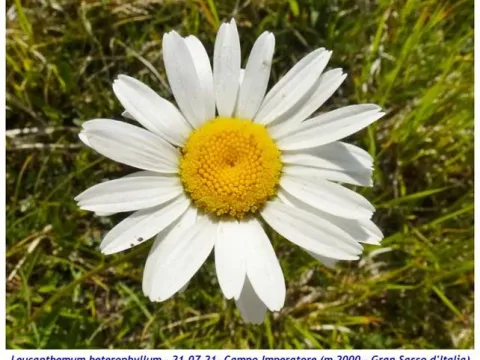
Leucanthemum heterophyllum
Leucanthemum heterophyllum
Leucanthemum heterophyllum is a perennial flowering plant belonging to the Asteraceae family. It is widely cultivated for its ornamental value and is highly sought after as a commercial cut flower due to its sturdy stems and attractive blooms.
What the section contains
Leucanthemum heterophyllum
Sowing in open ground is typically performed in early spring once the soil temperature is stable at 10-12 degrees Celsius. Alternatively, autumn sowing is possible in regions with mild winters to allow for natural stratification.
Seeds should be sown at a shallow depth of approximately 0.5 to 1 centimeter. Proper spacing is essential, with a recommended distance of 30-40 centimeters between plants to ensure optimal air circulation and reduce disease pressure.
When starting from seeds in containers, sowing in March provides a head start on the growing season. Using a light, well-draining peat-based substrate ensures high germination rates and promotes healthy seedling development.
Vegetative propagation via clump division is the standard method for maintaining established plantations. Dividing plants every 3-4 years prevents over-crowding and maintains the size and quality of the flower heads.
The plant thrives in full sun, which is necessary for vigorous growth and abundant flowering. While it can tolerate partial shade, insufficient light often results in leggy stems and poor flower production.
A fertile, well-draining soil with a neutral to slightly alkaline pH is ideal. Ensuring proper drainage is the most important factor, as heavy, waterlogged soils frequently lead to root rot and crown deterioration.
Regular irrigation is vital throughout the growing season, especially during the peak of the budding and flowering phases. Consistent soil moisture is necessary to maintain stem turgor and overall aesthetic quality.
Nutrient management is key to sustained production; a balanced NPK fertilizer applied in early spring encourages healthy foliage, while phosphorus and potassium promote flower bud formation in early summer.
Although generally hardy, the plant benefits from a light mulch of organic matter during winter in colder climates. This protects the root system from extreme temperature fluctuations and frost heaving.
Powdery mildew is a common fungal issue that manifests as white patches on leaves. Improving airflow and applying sulfur-based fungicides are the most effective management strategies for infected plantations.
Rust can cause significant damage to foliage if left untreated. Regular monitoring and the application of systemic fungicides are recommended to prevent the spread of spores during periods of high humidity.
Aphids and capsid bugs can infest flower buds, causing malformation and stunted growth. Integrated pest management, including the use of targeted insecticides, is recommended when pest thresholds are exceeded.
Nematode infestations can damage the root system, leading to overall plant decline. Crop rotation and the removal of infected soil are essential steps to maintain the health of the field.
Slugs and snails can consume young leaves during wet weather. Utilizing physical barriers or bait traps is effective in reducing the damage to young and tender plant parts.
Harvesting for the cut flower market should take place when the buds are partially open. This stage ensures the best vase life and allows for easier transport to retail destinations without damaging the petals.
For seed production, the flower heads must be left on the stems until they are fully dry and brown. The seeds are then harvested, cleaned, and stored in a cool, dry environment to ensure viability for the following season.