
Leibnitzia anandria
Leibnitzia anandria
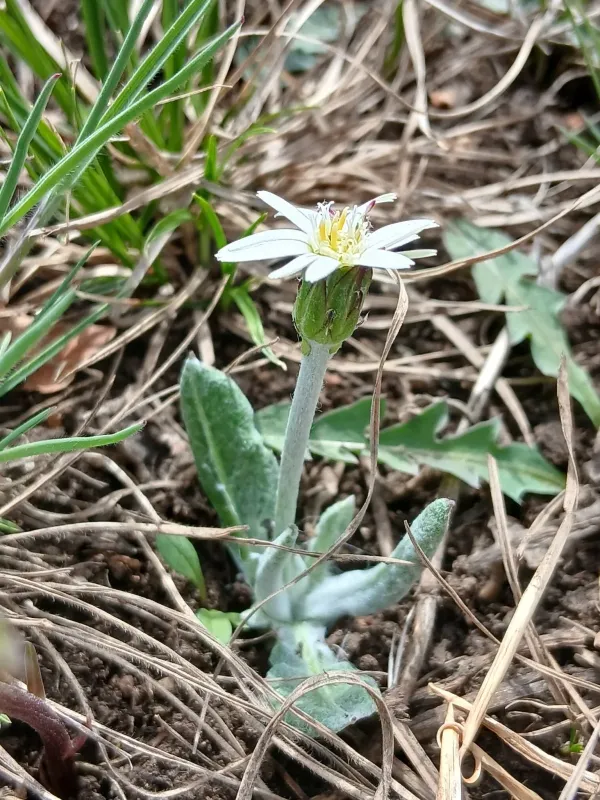
Description
Sowing dates
Leibnitzia anandria is a perennial herbaceous plant belonging to the Asteraceae family, often recognized for its unique biological cycle and medicinal properties.
The propagation of this crop is primarily done through seeds, which require a period of cold stratification for 30 to 60 days to ensure high germination rates.
Sowing should ideally take place in early spring once the soil temperature is stable, or in late autumn, allowing the seeds to undergo natural winter hardening.
Seeds are quite small and should be sown on the surface of the soil with a very light covering of substrate to ensure they have sufficient light exposure.
Proper moisture levels must be maintained throughout the germination phase, as the seeds are sensitive to drying out during the initial stages of development.
Growing requirements
The plant thrives in well-drained, fertile soil, ideally with a light texture such as sandy loam or loam, rich in organic matter and humus.
It prefers sun-drenched locations but can tolerate partial shade, making it a versatile species for various microclimates within a garden or field setting.
Water management is critical; while the soil should remain moist, any stagnant water is detrimental and can easily lead to root rot in this species.
Temperature tolerance is high, as the plant is adapted to cold environments, capable of surviving freezing temperatures during its dormant winter phase.
Regular maintenance, including weeding and ensuring good airflow around the rosettes, is essential for healthy plant development throughout the season.
Yield
While often treated as a specialty crop, the yield of Leibnitzia anandria depends on the intensity of management and the health of the leaf rosettes.
Average biomass production can reach 1,000 to 1,500 kilograms per hectare under optimal conditions, focusing on both leaf and root biomass.
The harvest phase is best managed when the plant is at its peak of flowering, ensuring the maximum concentration of beneficial secondary metabolites.
Yield stability is usually achieved by the second year of growth, as the plant establishes a deep and resilient root system capable of nutrient storage.
Techniques such as controlled fertilization can significantly increase the total yield, provided that organic standards are maintained for the medicinal market.
Main diseases and pests
The most significant threat to this crop includes fungal infections such as root rot, which are often encouraged by excessive soil humidity and poor drainage.
Slugs and snails are the primary pests that target the foliage, especially in moist and temperate climates where these mollusks are highly active.
Aphids may occasionally infest the flower stalks during periods of drought or nutrient stress, potentially reducing the overall seed production quality.
Effective control strategies involve crop rotation practices and the removal of plant debris that may harbor pathogens during the winter months.
Using biological pest control and preventative fungal sprays is recommended if the plant is grown specifically for high-value botanical extracts.
Harvesting
Harvesting should be conducted during dry weather conditions to minimize the moisture content of the harvested plant material before it is processed.
For the leaves, a gentle cutting method should be used to avoid harming the central crown of the plant, allowing it to recover for future growth cycles.
The root harvest is typically performed in late autumn, carefully extracting the rhizomes from the soil after the foliage has naturally withered.
After extraction, the raw material must be cleaned and dried immediately at temperatures not exceeding 40 degrees Celsius to preserve active ingredients.
Final storage should be in a cool, dark, and dry environment to prevent the degradation of essential oils and other medicinal compounds within the plant.