
Leontopodium fauriei
Leontopodium fauriei
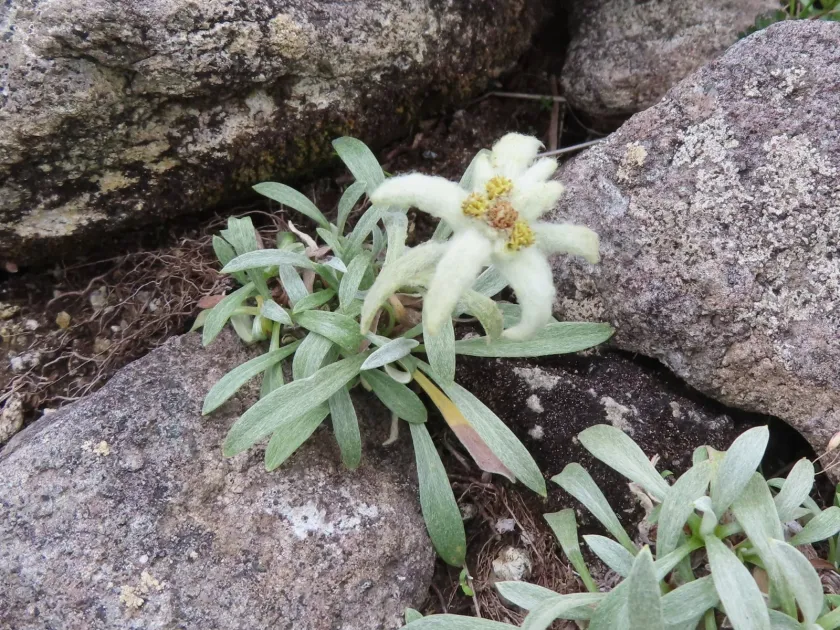
Description
Sowing dates
Leontopodium fauriei, commonly known as a type of Japanese Edelweiss, belongs to the Asteraceae family. To propagate this species, gardeners typically rely on seeds, as it allows for the development of robust plants that can adapt well to specific environmental conditions.
Sowing should ideally occur in late winter or early spring using a well-draining, gritty seed-starting medium. Since these seeds often benefit from a period of cold stratification, keeping the containers in a cool location or a refrigerator for several weeks significantly enhances germination rates.
Once the seedlings develop at least two sets of true leaves, they should be carefully pricked out and transferred into individual pots. Using a soil mix that mimics its natural habitat—lean and stony—is crucial for preventing root issues during the early stages of growth.
Transplanting the young plants into the garden should be done after the risk of frost has passed. Selecting a site with full sun and excellent drainage is essential for the long-term success of the culture, as it thrives in bright but not scorching conditions.
When planning the layout, consider the plant's habit of growing in tufts. It performs best in rock gardens or scree beds where it can be shielded from competition by more aggressive plant species that would otherwise overwhelm its delicate growth.
Growing requirements
This culture is highly specialized, requiring calcareous, dry, and low-nutrient soils. Heavy, water-retentive clay is entirely unsuitable and will lead to rapid root decay, making soil preparation the most critical factor for a successful harvest or garden display.
The climate requirements for Leontopodium fauriei include a preference for cool, airy conditions with sufficient light. It is highly cold-hardy, capable of surviving harsh winters provided that the soil is kept relatively dry during the dormant period to avoid rot.
Maintaining a neutral to slightly alkaline soil pH is mandatory for the plant's health. If the garden soil is naturally acidic, it is recommended to amend the area with crushed limestone or dolomite to ensure the plant can access the necessary minerals for its development.
Watering practices should be minimalist. While the plant requires moisture during the initial establishment phase, it should be kept dry once mature. In regions with high rainfall, creating a raised bed or a mound can help shed excess water away from the root collar.
Fertilization should be avoided as much as possible, as excessive nitrogen promotes weak, leggy growth that lacks the characteristic woolly appearance. The plant is adapted to nutrient-poor alpine screes, and providing excess nutrition often does more harm than good.
Main diseases and pests
The primary threat to Leontopodium fauriei is root rot, triggered by poor drainage or excessive humidity. Ensuring the planting site is perfectly drained and that the soil does not hold standing water is the most effective way to protect the plant from fungal pathogens.
Aphids can occasionally infest the flower heads during the active growing season. If a colony is detected, manual removal or the application of a mild insecticidal soap is usually sufficient to resolve the issue without causing chemical burn to the sensitive foliage.
In humid climates, the plant may become susceptible to powdery mildew, particularly if air circulation is restricted. Pruning back neighboring plants or ensuring proper spacing between individuals can drastically reduce the humidity around the leaves, preventing fungal spores from germinating.
Slugs and snails are known to feed on the foliage during rainy weather. To protect the plant, gardeners often surround the base with a layer of sharp grit or crushed shells, which creates a physical barrier that discourages these pests from reaching the foliage.
Regular maintenance, such as clearing away dead leaves in early spring, helps reduce the habitat for potential pests. Healthy plants grown in their ideal environmental niche possess a natural resilience that makes them highly resistant to most significant diseases.