
Lasthenia minor
Lasthenia minor
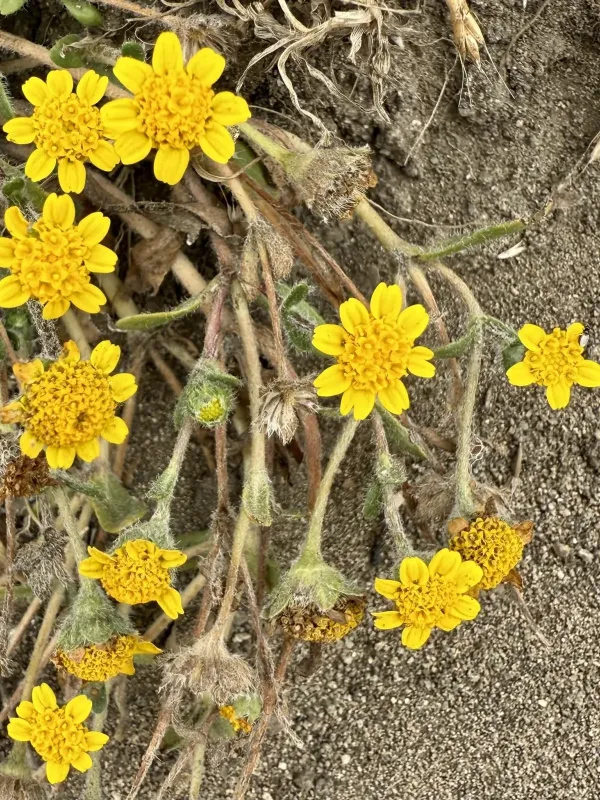
Description
Sowing dates
Lasthenia minor is an annual herbaceous plant that typically thrives when sown in early spring. The seeds are small and benefit from surface sowing or very shallow coverage to ensure they receive adequate light for germination.
When sowing in open fields, it is essential to wait until the danger of hard frosts has passed, as the young seedlings are delicate and susceptible to extreme temperature fluctuations before they are well-established.
For greenhouse or container production, starting seeds in modular trays allows for better protection during the initial germination phase. The soil should be kept consistently moist but never waterlogged to ensure the health of the developing root system.
Thinning is a critical agrotechnical practice to prevent overcrowding, which can reduce the vigor of individual plants. Maintaining a spacing of 15 to 20 cm promotes airflow and helps achieve a more uniform stand of flowers.
The total growing period from sowing to flowering is relatively short, allowing for flexible planting schedules. This makes the plant an excellent choice for successional planting to provide long-lasting blooms in a garden or field setting.
Growing requirements
Belonging to the Asteraceae family, Lasthenia minor is well-adapted to environments with full sun exposure. Choosing a site with at least six to eight hours of direct sunlight is necessary for robust growth and optimal floral development.
The plant prefers well-drained, sandy, or loamy soil types. It is particularly important to avoid heavy clay soils that retain excessive water, as this can lead to root suffocation and increased vulnerability to soil-borne pathogens.
While known for its ability to handle moderate drought once matured, supplemental watering during prolonged dry spells is beneficial for sustaining a lush and healthy appearance throughout the growing season.
Fertilization should be handled with caution, as high levels of nitrogen can encourage excessive vegetative growth at the expense of flower production. A balanced, low-nitrogen fertilizer applied sparingly is usually sufficient.
The cultural conditions of Lasthenia minor mirror its native Californian habitat, favoring moderate temperatures. It performs best in areas where the climate is not subject to extreme humidity or prolonged heatwaves.
Main diseases and pests
Root rot is the most significant threat to the health of Lasthenia minor, typically caused by inadequate soil drainage or over-irrigation. Ensuring the substrate remains porous is the best preventative strategy for this issue.
Aphids are the most common insect pest, particularly when the plants are grown under stressful conditions or poor ventilation. They congregate on tender shoots and flower buds, potentially stunting growth if left untreated.
Fungal diseases, such as powdery mildew, may appear if the plants are placed in areas with stagnant air. Providing adequate space between plants is a crucial cultural practice to reduce the impact of these potential infections.
Slugs and snails can cause significant damage to young seedlings in the early stages of development. Using protective barriers or organic pest control methods during this vulnerable period is highly recommended for growers.
Integrated pest management, including regular crop monitoring and sanitation, effectively mitigates most common problems. Maintaining the overall vigor of the plant through proper irrigation and light management is the best defense against pests and diseases.