
Lasthenia californica
Lasthenia californica
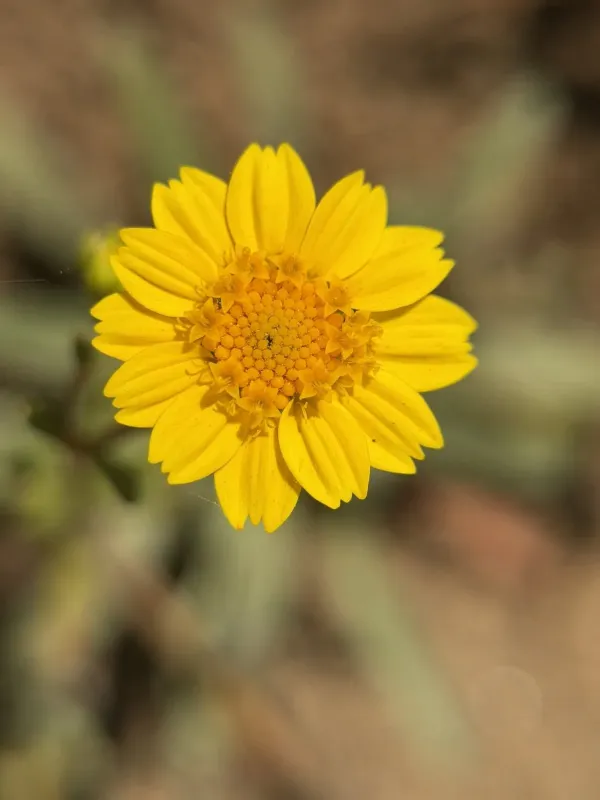
Description
Sowing dates
Lasthenia californica seeds are typically sown in the fall in regions with Mediterranean climates to mimic the natural germination cycle of the species.
In cooler climates, spring sowing is recommended as soon as the danger of hard frost has passed and the soil begins to warm up significantly.
Seeds should be broadcasted over the surface of the soil and only lightly covered with sand, as they require light to stimulate successful germination.
Maintaining a moist seedbed during the initial stages of development is crucial until the seedlings establish a sufficiently deep root system.
Thinning may be required if the plant density becomes too high, ensuring that individual plants have space to reach their full potential size.
Growing requirements
As a member of the Asteraceae family, Lasthenia californica is a specialized annual herb widely recognized for its vibrant yellow blossoms.
This species demands full sun exposure and performs best in open locations where it can receive unrestricted light throughout the day.
The ideal soil profile consists of well-draining, slightly sandy substrates that prevent water stagnation, which is a known limiting factor for this plant.
Regarding climate, the plant is naturally adapted to dry summers and wet winters, making it highly resilient in specific temperate zones.
Soil fertility requirements are generally low, as the species is accustomed to nutrient-poor soils found in its native California habitats.
Harvesting
Harvesting for seed production occurs once the flower heads turn brown and begin to detach naturally, signaling full physiological maturity.
Timing is essential, as waiting too long will result in natural seed dispersal, leading to significant yield losses in the production field.
The collected heads should be stored in dry, airy conditions to prevent the accumulation of moisture and the subsequent development of fungal pathogens.
Post-harvest cleaning is typically performed by sifting the dried material to separate the viable seeds from the chaff and other organic debris.
Properly cured seeds should be stored in sealed, cool containers to maintain their viability for the following planting season.