
Goldenfields
Lasthenia chrysantha
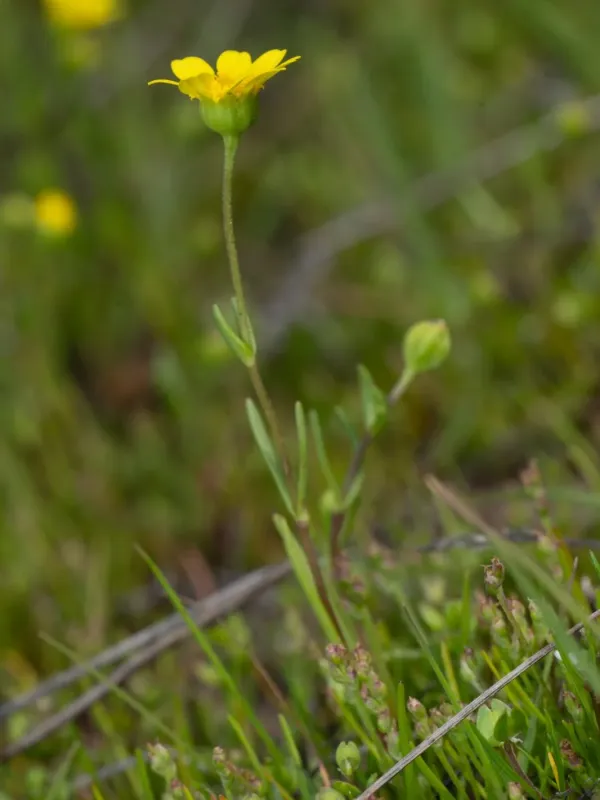
Description
Sowing dates
Sowing Goldenfields should occur in the spring once the danger of frost has passed and the soil has warmed sufficiently. The seeds require light to germinate, so they should be sown on the surface and pressed down lightly into the soil.
Spacing is essential for the healthy development of this species. It is recommended to sow seeds in rows with a distance of approximately 15 to 20 centimeters between plants to ensure proper airflow and light penetration.
For regions with shorter growing seasons, starting seeds indoors in nursery flats during late March is a viable option. Use a well-draining, lightweight potting mix to facilitate early root development.
Seedlings should be kept in a bright, sunny location to prevent leggy growth. Gradually acclimatize indoor-grown plants to outdoor conditions over a week before final transplantation into the garden beds.
Successive sowings every two to three weeks will allow for a continuous display of bright golden blossoms throughout the summer months, effectively extending the aesthetic value of the planting area.
Growing requirements
As a member of the Asteraceae family, Goldenfields is native to California and thrives in environments that offer full, unobstructed sunlight. Any site with shade will likely result in poor flowering and weaker plant structures.
The crop is highly adaptable to various soil types, but it shows a distinct preference for well-drained, sandy, or loamy soils. Good drainage is paramount, as the roots are sensitive to waterlogging, which often leads to decay.
Goldenfields is remarkably drought-tolerant once established. While light irrigation is beneficial during extreme dry spells, excessive watering should be strictly avoided to prevent the development of root-related issues.
Soil nutrient requirements are relatively low. The plant performs well in average soil and does not necessitate intensive fertilization. Over-fertilizing, especially with nitrogen, can lead to excessive foliage growth at the expense of floral production.
Maintaining a neutral pH in the soil is ideal for nutrient uptake. If the soil is excessively acidic, a light application of lime may be necessary before planting to create a more favorable growing environment.
Main diseases and pests
Slugs and snails are the primary pests that pose a threat to young seedlings. In moist conditions, these mollusks can decimate a planting plot, necessitating the use of traps or physical barriers to protect the developing plants.
Powdery mildew is a common fungal disease that affects Goldenfields, particularly when airflow is restricted or humidity levels are high. Proper plant spacing and ensuring good ventilation are the most effective preventative measures.
Aphids can infest the foliage, particularly during the active growing phase. If a significant population develops, the use of insecticidal soaps or neem oil is recommended to control the infestation without harming beneficial insects.
Root rot is a significant danger in poorly drained soils. Symptoms include sudden wilting and yellowing of the leaves. Once root rot is established, it is difficult to treat, making prevention through soil management critical.
Gray mold, caused by Botrytis, may affect the flower heads during periods of high humidity or persistent rain. Promptly removing affected flowers and debris will help prevent the disease from spreading to healthy plant tissues.