
Lagenophora petiolata
Lagenophora petiolata
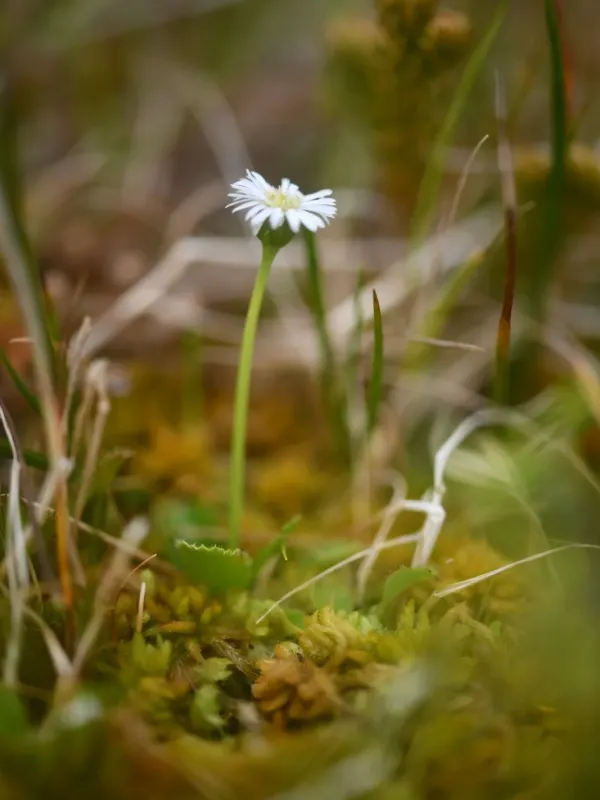
Description
Growing requirements
Lagenophora petiolata is a perennial herbaceous plant belonging to the Asteraceae family. Native to New Zealand and parts of Australia, this species is highly valued for its creeping habit and ability to form dense, low-growing rosettes in woodland or alpine habitats.
The botanical structure of the plant features petiolate leaves that arise from the base, creating a distinct aesthetic appeal. It is commonly utilized in landscaping as a groundcover, providing a lush green appearance in shaded areas where other plants might struggle to thrive.
To ensure healthy growth, Lagenophora petiolata requires a spot with partial shade and protection from harsh direct sunlight. The soil should be well-draining, rich in organic matter, and kept consistently moist, mirroring its natural forest floor environment.
Climate requirements include mild to cool temperatures, avoiding extreme heat or arid conditions. In agricultural and decorative practice, consistent irrigation is vital to prevent the foliage from drying out, while adequate aeration is necessary to maintain root health.
Beyond its decorative value, this plant is an excellent choice for rock gardens and borders. It blends seamlessly with other shade-loving perennials, helping to stabilize soil and prevent weed encroachment due to its tight, mat-forming growth pattern.
Main diseases and pests
The most common pests affecting this plant are slugs and snails, which are attracted to the foliage. Gardeners often use copper barriers or organic slug bait to protect the young rosettes from damage during the early growing season.
Fungal pathogens can pose a threat, particularly in environments with poor air circulation or stagnant moisture. To prevent disease outbreaks, it is essential to avoid overhead watering during humid periods and ensure that planting sites provide natural airflow.