
Krigia dandelion
Krigia dandelion
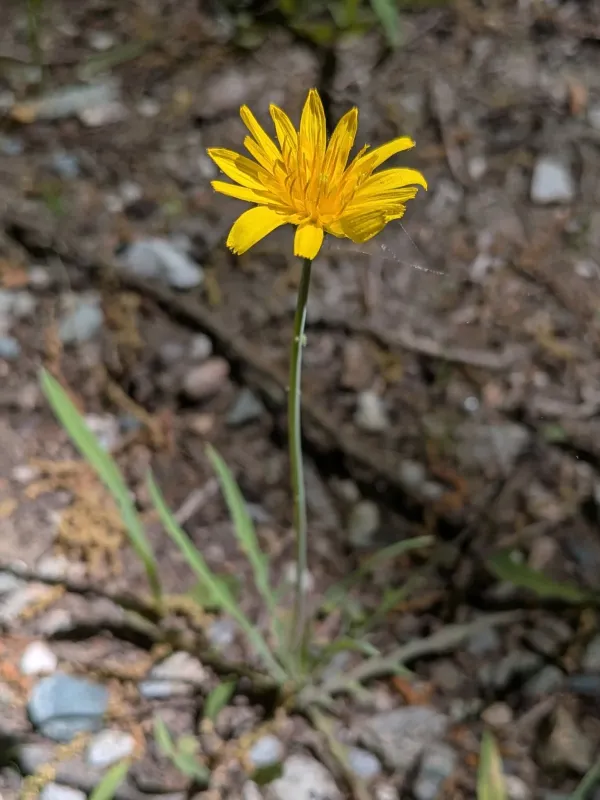
Description
Sowing dates
Krigia dandelion is a perennial herbaceous plant belonging to the Asteraceae family, often found in natural grasslands and open woodlands.
For successful germination, seeds typically require a period of cold stratification; autumn sowing is the most natural way to achieve this.
If spring sowing is planned, seeds must be kept in refrigerated conditions for several weeks to break dormancy effectively.
The seeds are very small and light, so they should be sown on the surface of the soil with minimal covering, usually just a light dusting of earth.
Planting in rows with a spacing of about 30–40 cm ensures that young seedlings have enough space and light to develop strong root systems.
Growing requirements
This crop thrives in sunny locations but can tolerate partial shade, provided the soil remains consistently moist and well-drained.
A soil pH range of slightly acidic to neutral is ideal, mimicking the natural conditions of prairies and sandy fields where the plant originates.
Regular irrigation is necessary during the early growth stages, as the plant is sensitive to prolonged dry spells during the vegetative phase.
The plant performs best in moderate climates; excessive heat and high humidity can stress the plant and increase the risk of disease.
Proper soil aeration is crucial for the development of its distinctive tuberous roots, ensuring healthy nutrient uptake throughout the season.
Yield
While not a major commercial crop, Krigia dandelion serves as a valuable component in natural forage systems for livestock.
Its biomass provides high-quality nutrients, making it a desirable species for restoring degraded pastures and prairie meadows.
The potential yield of green mass depends heavily on soil fertility and the frequency of mowing or grazing management applied to the area.
In decorative horticulture, the plant is valued for its consistent flowering and ease of maintenance in native garden designs.
Harvesting strategies are usually optimized by focusing on the plant's peak flowering time, which balances leaf volume and nutritional density.
Main diseases and pests
Aphids are the most common pests, often clustering on the tender new growth and affecting the overall health of the plant.
Root rot is a significant threat in areas with poor drainage, as the tubers are susceptible to fungal infections in waterlogged soil.
Powdery mildew can become an issue if air circulation is poor, particularly in dense stands during the warmer months of the year.
Weed competition is particularly detrimental during the establishment phase, as the small seedlings are easily smothered by faster-growing weeds.
Regular monitoring for leaf-chewing insects is recommended, as these can significantly reduce the photosynthetic capacity of the plants.
Harvesting
Seed harvesting should be performed as soon as the flower heads begin to dry and turn brown to prevent the seeds from scattering.
Forage harvesting is best executed in the early blooming stage to maximize the feed value before the plant directs energy into seed production.
In garden settings, removing spent blooms can help tidy the area and prevent unwanted self-seeding throughout the landscape.
Seeds should be stored in a cool, dry place after cleaning to ensure high viability for the next planting season.
Careful manual or mechanical collection is necessary due to the small size of the seeds and the fragile nature of the seed heads.