
Krigia biflora
Krigia biflora
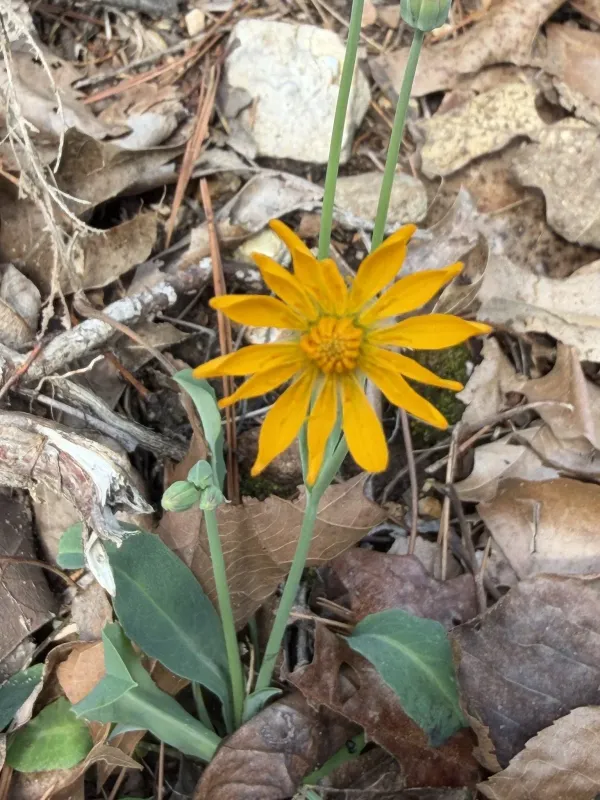
Description
Sowing dates
Sowing Krigia biflora seeds is best performed in early spring after the seeds have undergone a cold stratification period. The seeds are extremely fine, so they should be sown on the surface of moistened soil without covering them, as they require light to germinate effectively.
If starting seeds indoors, use seedling trays and maintain temperatures around 18-20 degrees Celsius. Pricking out should be done as soon as the first true leaves appear, and the seedlings should be hardened off before being transplanted into their permanent outdoor location.
Direct sowing into the ground is possible in milder climates once the threat of frost has passed. Keeping the seedbed consistently moist is crucial, as the small seeds will fail if they dry out prematurely during the initial germination phase.
Vegetative propagation by division is a highly efficient method for established clumps. This task is best performed in early spring when the plant is just emerging from dormancy, ensuring rapid establishment in the new location.
A planting density of 10 to 12 plants per square meter is recommended to achieve a lush, full appearance in garden borders or meadow-style landscapes. The plants form neat rosettes that stay attractive throughout the growing season.
Growing requirements
Krigia biflora, commonly known as the orange dwarf dandelion, is a herbaceous perennial belonging to the Asteraceae family. It is native to North America, where it thrives in open woods, prairies, and moist meadows, which dictates its preference for specific growing conditions.
The plant requires full sun to partial shade to perform at its best. It is highly adaptable to various soil types, but performs best in well-draining, loamy soils that are rich in organic matter. Good drainage is vital to prevent root rot in wetter seasons.
Water requirements for this species are moderate. It prefers a consistent supply of moisture, particularly during the flowering stage. However, it is important to avoid waterlogged conditions, as the roots can be sensitive to prolonged saturation.
Soil pH should ideally be neutral or slightly acidic. Amending the soil with compost or well-rotted leaf mold prior to planting helps maintain soil structure and provides the essential nutrients required for vigorous foliage and flower development.
Maintenance is relatively low, requiring only occasional weeding and a clean-up of dead foliage in the late fall or early spring. The plant is hardy and well-suited for native plant gardens and woodland settings where it can naturalize over time.
Main diseases and pests
Disease issues in Krigia biflora are primarily associated with poor site conditions, such as high humidity and lack of air circulation, which can lead to fungal leaf spots. Proper spacing is the best preventative measure to ensure foliage dries quickly after rain.
Common pests include aphids and spider mites, which may appear during periods of hot, dry weather. Monitoring the underside of leaves for early signs of infestation allows for the use of mild, targeted treatments rather than broad-spectrum insecticides.
Root rot is a significant threat if the soil remains excessively wet. Ensuring that the planting area has adequate drainage is the primary defense against these types of soil-borne pathogens and ensures a longer life for the plant.
Slugs and snails can be problematic for young, emerging leaves in the spring. Protective measures such as mulching with coarse materials or using non-toxic slug barriers can effectively protect the plants during their most vulnerable growth stage.
Regular inspection of the plant population helps maintain vigor and health. By managing environmental stresses and controlling minor pest issues early, Krigia biflora will remain a stable and attractive part of the garden landscape.