
Virginia dwarf dandelion
Krigia virginica
Description
Sowing dates
Sowing should be timed for the late autumn to allow for natural stratification, which is critical for breaking seed dormancy. If spring sowing is necessary, cold stratification or chemical treatment may be required to ensure uniform germination rates across the planting site.
Growing requirements
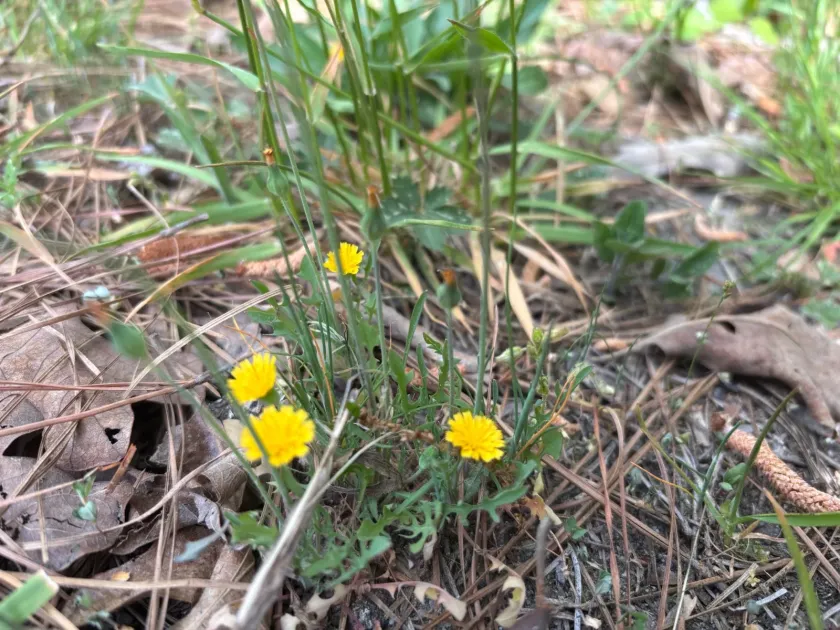
Krigia virginica, commonly known as Virginia dwarf dandelion, is an annual herbaceous plant belonging to the Asteraceae family. It is characterized by its basal rosette of foliage and slender, leafless stalks that terminate in small, bright yellow flower heads resembling miniature sunflowers.
Native to North America, the species thrives in diverse habitats including sandy woodlands, rocky outcrops, and disturbed clearings. Its natural range demonstrates its ability to colonize environments where soil nutrients are limited and competition from larger vegetation is low.
The crop requires well-drained, sandy or gravelly soil types to thrive. It is highly intolerant of waterlogged conditions, which frequently lead to root rot and premature decline, making site selection based on drainage capacity a primary concern for any agricultural trial.
Climatically, the plant prefers open, sunny locations where it can maximize photosynthesis during its active growth phase in early to mid-spring. It is well-adapted to the temperate climate of its origin and can withstand fluctuations in seasonal temperatures provided there is adequate moisture during germination.
In terms of land use, Krigia virginica serves primarily as an ecological resource, providing early-season forage for pollinators. While not a conventional agricultural commodity, its drought resistance makes it a subject of interest for sustainable landscape management and biodiversity conservation.
Harvesting
Harvesting for seed collection or botanical study typically occurs in late spring or early summer once the seed heads have matured and turned slightly brown. Care must be taken during collection as the seeds are small and easily dispersed by wind shortly after maturation.