
Isocarpha atriplicifolia
Isocarpha atriplicifolia
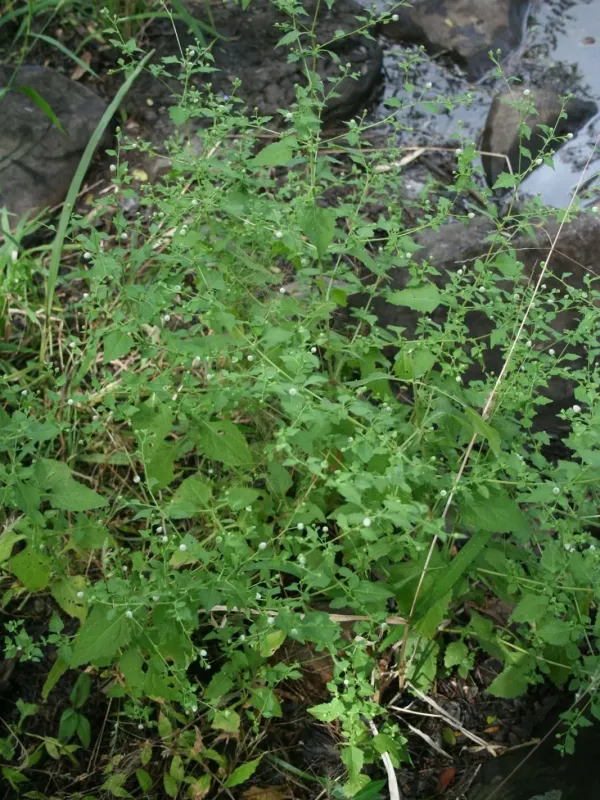
Description
Sowing dates
Isocarpha atriplicifolia is a perennial herbaceous plant belonging to the Asteraceae family. Successful cultivation requires careful site selection and preparation to ensure optimal germination and seedling establishment.
Seeds should be sown in prepared soil when ambient temperatures are consistently between 22 and 25 degrees Celsius. Early season warmth is crucial for uniform field emergence.
The sowing depth is typically shallow, around 0.5 to 1 cm, due to the small size of the seeds. Proper soil moisture must be maintained until the seeds successfully establish roots.
Planting density should be calculated based on the intended use of the crop, providing enough space to prevent overcrowding and ensure adequate ventilation around the foliage.
Seed stratification may enhance germination rates, particularly in environments where seasonal temperatures fluctuate significantly, ensuring a more uniform development cycle.
Growing requirements
The crop requires full sun exposure for optimal growth and development. Insufficient light intensity often leads to stunted plants and reduced biomass production.
Well-drained soils are essential for this species. It performs best in fertile, loamy or sandy loam textures with a pH range that is slightly acidic to neutral.
Water requirements are moderate, focusing on consistency rather than quantity. Avoiding waterlogged conditions is paramount to prevent root rot and other moisture-related issues.
Nutrient management involves balanced fertilization, particularly focusing on nitrogen for foliage development and potassium for overall plant resilience and structural integrity.
The ideal climate is tropical or subtropical, characterized by high humidity and warm temperatures. Protection from extreme cold is necessary, as the plant lacks frost tolerance.
Main diseases and pests
Fungal diseases, especially those thrive in high humidity, represent the most significant threat to plant health. Proper field sanitation is key to minimizing these risks.
Pests such as aphids and spider mites frequently attack the leaves. Integrated pest management strategies are recommended to keep populations below economic injury levels.
Root rot, often caused by poor drainage or overwatering, can rapidly devastate a crop. Improving soil structure and aeration is the most effective preventative measure.
Virus transmission by insect vectors is a concern in warmer climates. Early detection and the removal of infected plants can prevent the spread throughout the entire plantation.
Weed control is critical during the early stages of growth to prevent resource competition. Mechanical weeding and mulching are common practices to maintain crop health.