
Isocarpha oppositifolia
Isocarpha oppositifolia
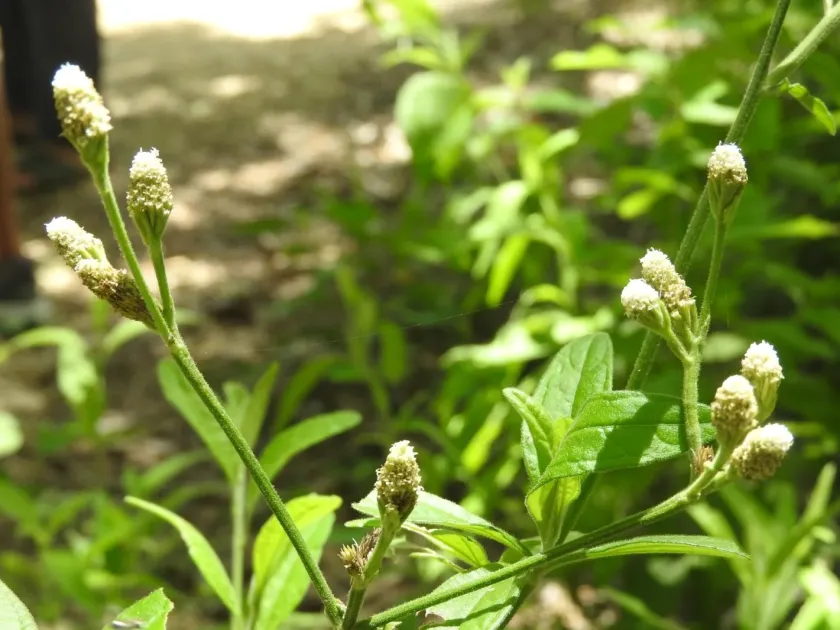
Description
Growing requirements
Isocarpha oppositifolia is a perennial herbaceous plant belonging to the Asteraceae family. Its native range spans the tropical and subtropical regions of the Americas, where it thrives in diverse environments, often favoring areas with consistent light and moisture.
The crop requires significant solar exposure for optimal development. Temperatures between 22°C and 28°C are considered ideal for its active growth phase, as the plant is highly susceptible to chilling injury and cannot withstand freezing temperatures.
Soil requirements for Isocarpha oppositifolia involve well-draining, nutrient-rich substrates with a neutral pH level. It is essential to avoid waterlogged conditions, which can lead to rapid decay of the root system and inhibit plant vigor.
Agricultural management includes precise irrigation scheduling, preferably through drip systems to maintain constant moisture without saturation. Proper spacing between individual plants is necessary to ensure adequate ventilation and prevent the development of foliage diseases.
Economic uses of this culture are primarily found in traditional medicine and pharmaceutical research. The plant contains various secondary metabolites that are studied for their potential antiseptic and tonic properties, adding value to its agricultural cultivation.
Main diseases and pests
Fungal infections of the root neck and leaf spot diseases represent the primary pathological threats to this culture. High humidity levels combined with poor airflow in greenhouses frequently trigger these outbreaks, potentially devastating the crop.
Common pests such as aphids, whiteflies, and spider mites pose a constant threat to the vitality of Isocarpha oppositifolia. These insects feed on the sap of the plant, weakening it and serving as vectors for various viral and bacterial diseases.
Effective disease prevention centers on strict sanitation and the maintenance of proper greenhouse climate control. Monitoring the crop for early signs of infestation is crucial, as late-stage interventions are often ineffective and costly.
Weed management should be conducted manually or with minimal mechanical disturbance to the shallow root system of the plants. Clean fields reduce the number of alternative hosts for pests and pathogens that could otherwise jeopardize the main crop.
The use of integrated pest management (IPM) strategies, including biological controls like predatory mites, is highly recommended. These practices ensure healthy growth while maintaining the purity of the plant material for its subsequent medical or commercial processing.