
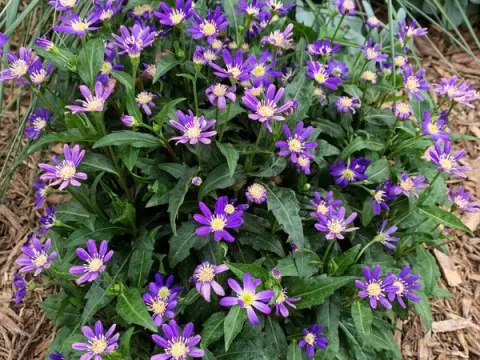
Gymnaster
Gymnaster
Sowing Gymnaster seeds in open ground is best performed either before winter or in early spring, immediately after the snow melts. For nursery production, seeds should be sown in containers during March, providing stratification to improve germination rates.
What the section contains
Gymnaster
The optimal temperature for seed germination ranges between 18 and 22 degrees Celsius. Sowing depth should not exceed 0.5 to 1 centimeter, as these small seeds require shallow placement to sprout effectively.
When using a nursery method, transplanting seedlings is carried out once two true leaves have developed. This process encourages the formation of a robust root system that adapts more easily to open soil conditions.
Transplanting hardened seedlings to their permanent location is done once the threat of night frost has passed. This usually falls in the second half of May, ensuring rapid establishment of the plants.
Space the plants at least 30–40 centimeters apart to ensure adequate airflow. Dense planting patterns often result in reduced aesthetic quality and increase the risk of developing fungal pathogens.
Gymnaster prefers open, well-lit areas with plenty of sunlight, although it can tolerate light partial shade in regions with extremely hot climates. The plant is photophilous and will become leggy if light is insufficient.
The crop has moderate requirements regarding soil conditions. The best results are achieved in loose, fertile loams with a neutral pH, which offer good moisture permeability and aeration.
A crucial factor for successful cultivation is ensuring no standing water occurs, as the root system of Gymnaster is sensitive to overwatering and may rot during prolonged periods of soil saturation.
Fertilizers should be applied twice per season: once in the spring to stimulate vegetative growth and again at the start of bud formation to ensure abundant flowering. Balanced mineral fertilizers are recommended.
During dry spells, the crop requires moderate watering at the base. Mulching the root zone helps retain soil moisture and suppresses the growth of weeds around the plants.
The primary biological threats to Gymnaster include fungal diseases such as powdery mildew and various leaf spot diseases, which typically develop under conditions of high humidity.
As for pests, aphids and spider mites are the most significant threats. They extract sap from young leaves and shoots, leading to plant deformation and a reduction in flowering intensity.
To prevent pest spread, it is recommended to remove weeds regularly, as these serve as intermediate hosts for various insects and vectors of viral plant diseases.
Disease prevention includes strict crop rotation and the application of fungicides during periods of unfavorable weather. It is important to avoid overhead irrigation to prevent moisture buildup on the foliage.
If severe infestations or infections are detected, affected plant parts should be removed and disposed of away from the planting site to halt the further spread of pathogens.
The practical use of Gymnaster as a decorative crop involves harvesting inflorescences for floral arrangements. Harvesting is most effective during the early morning hours when the plants are fully hydrated.
The highest quality cut is achieved when the flower heads are in the semi-bloom phase. This practice helps extend the vase life of the flowers, keeping them aesthetically appealing for up to two weeks.
After the flowering season ends, stems should be cut back to 5–10 centimeters above the soil level. This operation stimulates the perennial plant's preparation for winter and the accumulation of nutrients.
In regions with severe winters, covering the rhizomes of Gymnaster with a layer of mulch or coniferous branches is recommended to prevent bud freeze during snowless periods with low temperatures.
Seeds should be collected in dry weather once the flower heads have fully matured. Clean the seeds, dry them thoroughly, and store them in paper bags in a cool, dark location until the next season.