
Gutenbergia cordifolia
Gutenbergia cordifolia
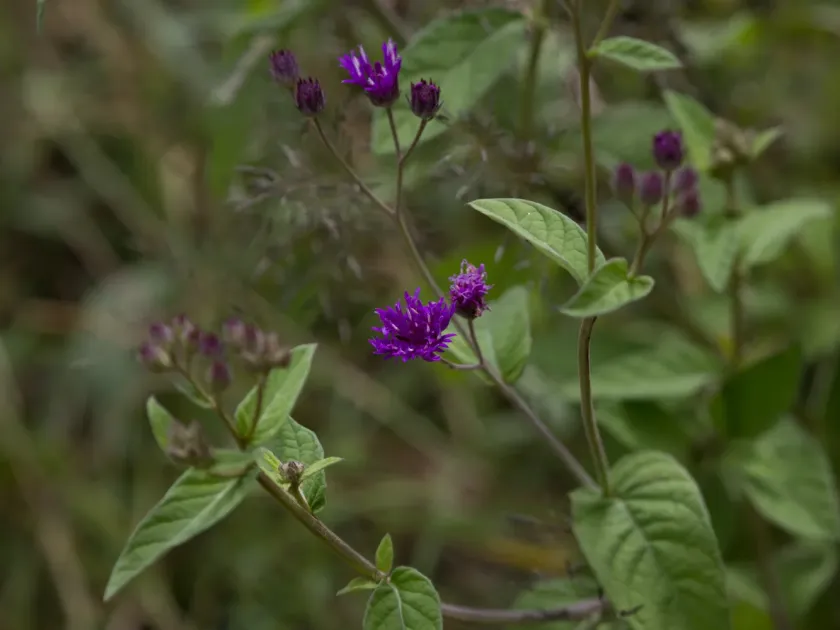
Description
Sowing dates
Gutenbergia cordifolia is a species native to tropical environments, and its sowing schedule is strictly tied to the onset of the rainy season. Seeds should be planted in well-prepared, warm soil when ambient temperatures remain above 20 degrees Celsius.
Optimal germination requires precise depth, usually between 1 to 2 centimeters. Because the seeds are small, they need constant moisture, though they must not be waterlogged, which can lead to early decay before the sprout emerges.
Using nursery trays for initial development allows for better survival rates. Once seedlings reach a height of approximately 10 centimeters, they are hardened off and transplanted to the field at a spacing that ensures sufficient airflow.
For direct seeding, it is common practice to use precision drills to ensure consistent spacing. This reduces competition between plants and allows for easier mechanical maintenance during the early growth stages of the crop.
Strategic timing is essential to avoid dry spells immediately following germination. By aligning sowing dates with historical weather data for the region, farmers can maximize the probability of successful stand establishment.
Growing requirements
As a member of the Asteraceae family, Gutenbergia cordifolia thrives in soils with excellent drainage and a neutral to slightly acidic pH. The presence of organic matter is beneficial for promoting healthy root architecture.
The plant has a high requirement for solar radiation. It is best suited for open fields where it can receive direct sunlight for the majority of the day, which is necessary for vigorous stem growth and flowering.
Water requirements fluctuate throughout the development cycle. While the plant is relatively resilient, consistent moisture is needed during the peak vegetative stage to ensure high quality and volume of foliage production.
Temperature management is crucial, as the species is highly sensitive to frost. Farmers should ensure the growing period stays within the frost-free window, typically requiring a stable warm climate with minimal night-time drops.
Fertilization regimes should prioritize phosphorus to support root development in the early stages, followed by nitrogen-balanced inputs to foster leafy growth. Periodic soil testing is recommended to adjust nutrient levels based on local soil depletion rates.
Main diseases and pests
Fungal pathogens such as mildew often pose the greatest threat in high-humidity climates. Preventive measures include wide spacing and the removal of plant debris to increase airflow within the crop canopy.
Common insect pests include sap-sucking insects that target the tender terminal buds. If left uncontrolled, these infestations can stunt plant growth and serve as vectors for secondary viral infections.
Root rot is frequently observed in fields with poor drainage. Implementing ridge-planting techniques can help mitigate this risk by ensuring that the root crown remains dry even during periods of heavy rainfall.
Weed competition is a significant factor in yield reduction. Regular cultivation between rows is recommended to minimize nutrient uptake by competing vegetation and to maintain optimal soil structure for the crop.
Integrated Pest Management (IPM) is the preferred approach for this crop. By monitoring pest populations and utilizing biological controls, farmers can protect the environment while maintaining the health and productivity of the fields.