
Gundelia rosea
Gundelia rosea
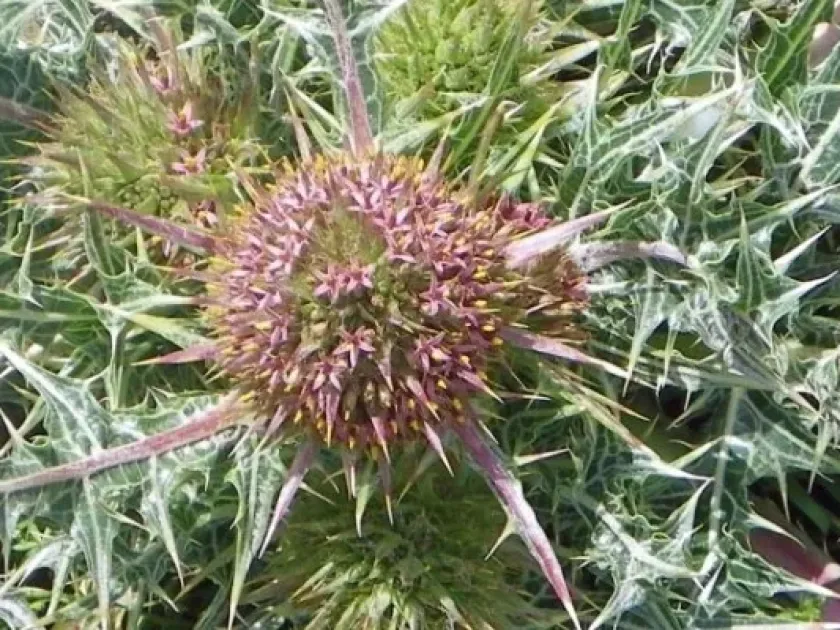
Description
Sowing dates
Gundelia rosea is a perennial herbaceous plant belonging to the Asteraceae family. It is known for its resilience and ability to thrive in arid environments, making it an interesting candidate for specific agricultural systems.
The propagation of this crop is primarily done through seeds. For optimal results, seeds should be sown in the autumn, allowing them to undergo natural stratification in the soil throughout the winter months.
When sowing, seeds are placed at a depth of 2–3 centimeters. A well-prepared seedbed is crucial to ensure good contact with the soil and consistent moisture levels during the germination phase in early spring.
Proper spacing is vital for the development of the plant. A row spacing of 60 to 70 centimeters is recommended to allow for adequate airflow and to facilitate mechanical weeding between the rows.
Seedlings develop relatively slowly in their first year of life. During this period, protection from competitive weeds is the most important factor in ensuring the successful establishment of the plantation.
Growing requirements
Gundelia rosea is highly adapted to sunny and dry climates. It requires full sunlight exposure to maintain its healthy growth and prevent the weakening of the stem and leaf structures.
The soil should be well-drained and light, preferably with a neutral to slightly alkaline pH. Heavy or waterlogged soils are detrimental to the plant as they lead to root rot and other fungal diseases.
This crop is exceptionally drought-tolerant due to its deep taproot system, which helps it access water from deeper soil layers. Irrigation should be minimal and focused only on the initial growth stages.
It prefers regions with moderate temperature variations and thrives in areas where it can avoid extreme frost. The plant is hardy but performs best in climates that mimic its native Near Eastern or Caucasian habitats.
Fertilization should be managed carefully. Excessive nitrogen application promotes excessive vegetative growth, which can reduce the quality of the harvested flower heads and the overall hardiness of the plant.
Yield
The primary yield of Gundelia rosea consists of its young stems and immature flower heads. When harvested at the right stage, these parts are highly valued for their nutritional and culinary properties.
Productivity is highest in the second and third years after establishment. A well-managed plantation can remain productive for several years, providing a consistent source of harvestable biomass.
The quality of the yield is highly dependent on timing the harvest before the flower buds open and become lignified. Once the plant enters the flowering stage, the texture becomes too tough for consumption.
Beyond culinary use, the plant holds significant potential for the pharmaceutical industry. Bioactive compounds extracted from various parts of the plant are being researched for their medicinal benefits.
Seed yield is robust, ensuring that the grower can maintain a self-sufficient operation. Proper seed collection techniques ensure that high-quality genetic material is available for future plantings.
Main diseases and pests
The main threats to the plant include root rot caused by stagnant water or poor drainage conditions. This is the most common reason for crop failure in non-ideal soil environments.
Pests like aphids may target young leaves, especially during warmer months. Regular monitoring and the use of integrated pest management practices are recommended to keep the populations under control.
Weeds are a major competitive threat, particularly during the plant's slow-growing juvenile phase. Manual or mechanical weed removal is necessary to prevent the crop from being choked out.
Fungal leaf diseases can occur in areas with poor ventilation. Ensuring adequate spacing between plants and keeping the foliage dry helps to prevent the spread of these pathogens.
While the plant's natural toughness protects it from most herbivores, younger plants may be vulnerable to rodents during the winter months, requiring protective measures if such threats are present.
Harvesting
Harvesting is a manual process performed in early spring. Workers must carefully select the immature flower heads before they begin to open or show signs of hardening.
Sharp tools must be used to ensure clean cuts, which helps the plant recover quickly. Protective gear is often necessary due to the presence of small, sharp structures on the leaves of the plant.
Immediate post-harvest processing is essential for quality control. The product should be moved to a cool, refrigerated environment as soon as possible to prevent loss of moisture and freshness.
For seed production, the flower heads are allowed to dry completely on the stalk. Once they become brittle and brown, they are harvested and threshed to extract the seeds.
After collection, seeds must be thoroughly dried and cleaned to remove any plant debris. They should be stored in a cool, dry, and dark place to maintain their viability until the next sowing season.